
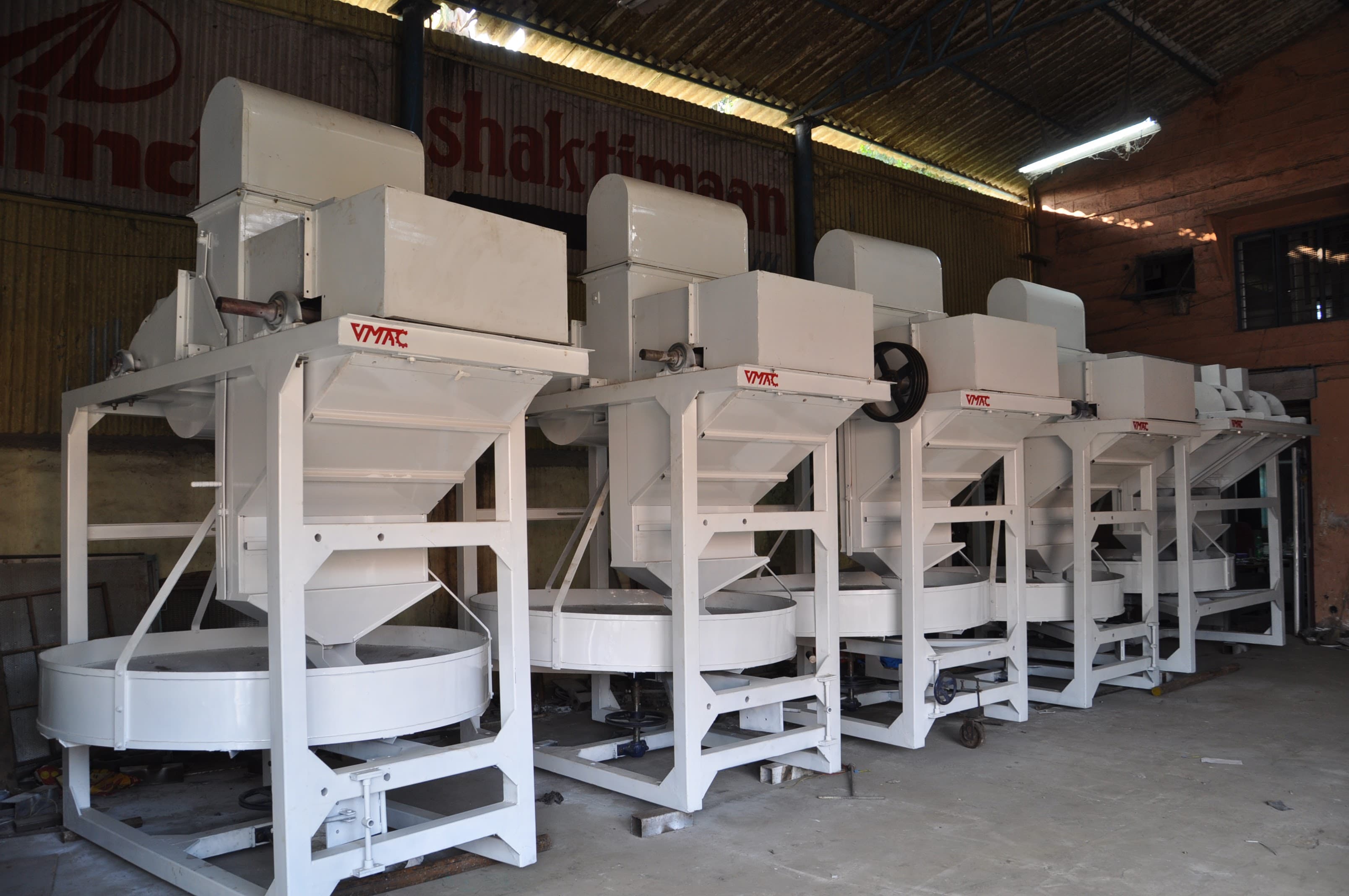
Coffee Machinery Maintenance Checklist
A machine-by-machine maintenance schedule for coffee processing equipment — daily, weekly, seasonal, and annual tasks for hullers, dryers, winnowers, gravity separators, pre-cleaners, and pulpers.
Discover expert insights and industry updates on coffee processing, roasting, and curing machinery. Learn from our blog to optimize your commercial coffee operations with the latest trends, tips, and technology from VMAC Industries.
All blog posts
A machine-by-machine maintenance schedule for coffee processing equipment — daily, weekly, seasonal, and annual tasks for hullers, dryers, winnowers, gravity separators, pre-cleaners, and pulpers.
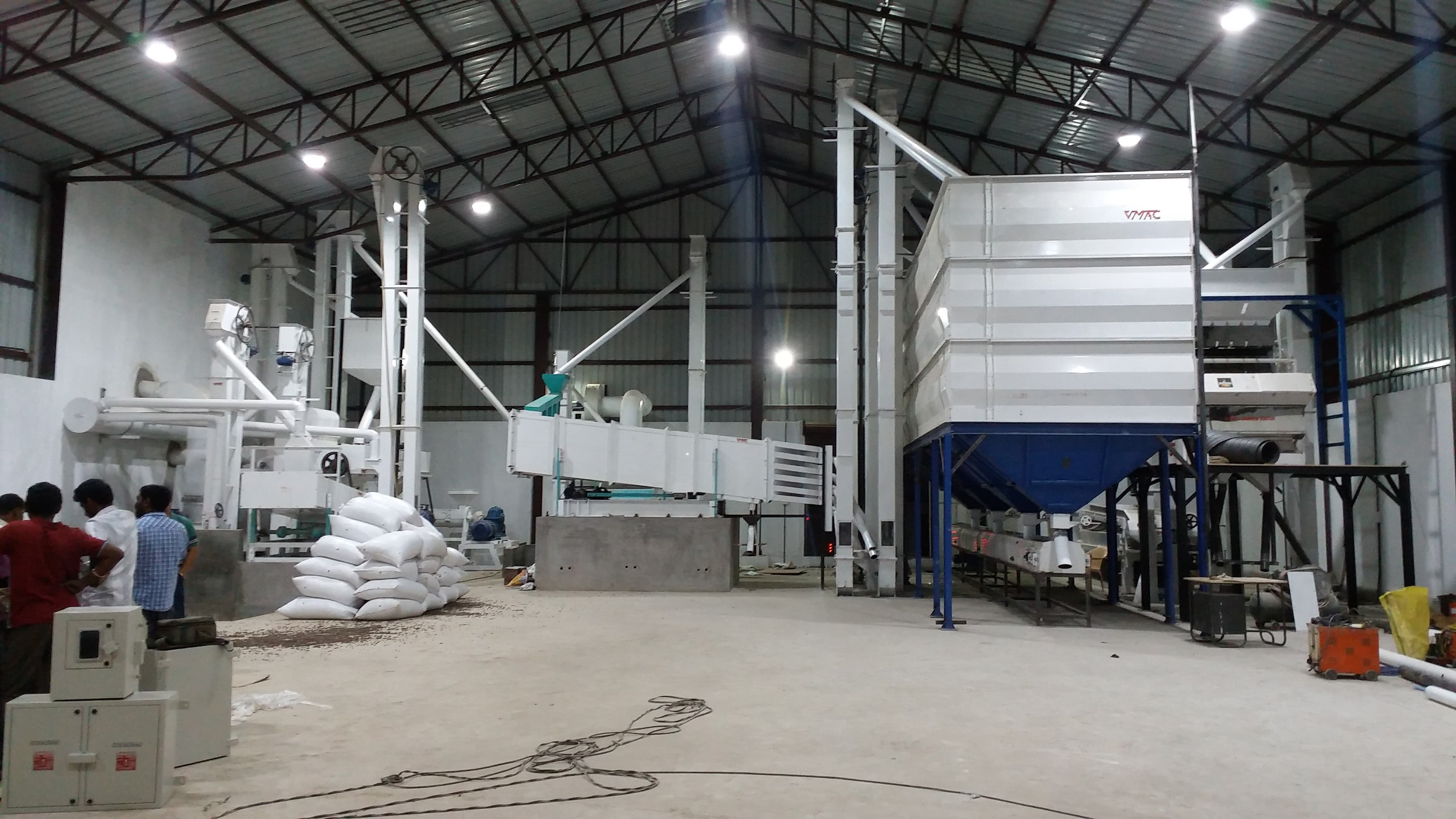
How to design the layout for a coffee processing plant — machine sequence, linear flow principles, capacity matching, wet mill and dry mill zoning, and site infrastructure requirements for estates and curing works.
A realistic cost breakdown for coffee processing plants in India — from small estate mills to large export facilities. Capacity tiers, what drives cost, operating expenses, and how to plan your investment.
A step-by-step equipment and compliance guide for setting up a coffee export facility in India — from Coffee Board registration to export-grade sorting, grading, and packaging.
A practical guide to building a washed coffee processing line — from cherry reception through drying. Machine sequence, water requirements, capacity matching, and site planning for Indian estates and cooperatives.
A practical sizing guide for coffee estate owners and curing works operators — how to match huller type, capacity, and gap settings to your bean variety, daily volume, and processing conditions.
A practical equipment comparison for coffee producers deciding between wet (washed) and dry (natural) processing — what machines each method needs, what's shared, and how to choose based on your operation.
A buyer's guide to coffee gravity separators — how they work, what defects they remove, how to size one for your operation, and what to check before purchasing.
Explore how emerging consumer demands in the specialty coffee market are reshaping roastery operations and discover the equipment and strategies that help you stay ahead.
Discover how emerging technologies—from AI-driven machinery to sensor-based analytics—are revolutionizing coffee processing, boosting productivity, and shaping the industry's future.
Unlock the full potential of your coffee beans by utilizing advanced coffee pulpers designed to enhance quality and efficiency in coffee processing.
Get a comprehensive roadmap for setting up a modern coffee processing facility—from initial site selection to final product packaging.
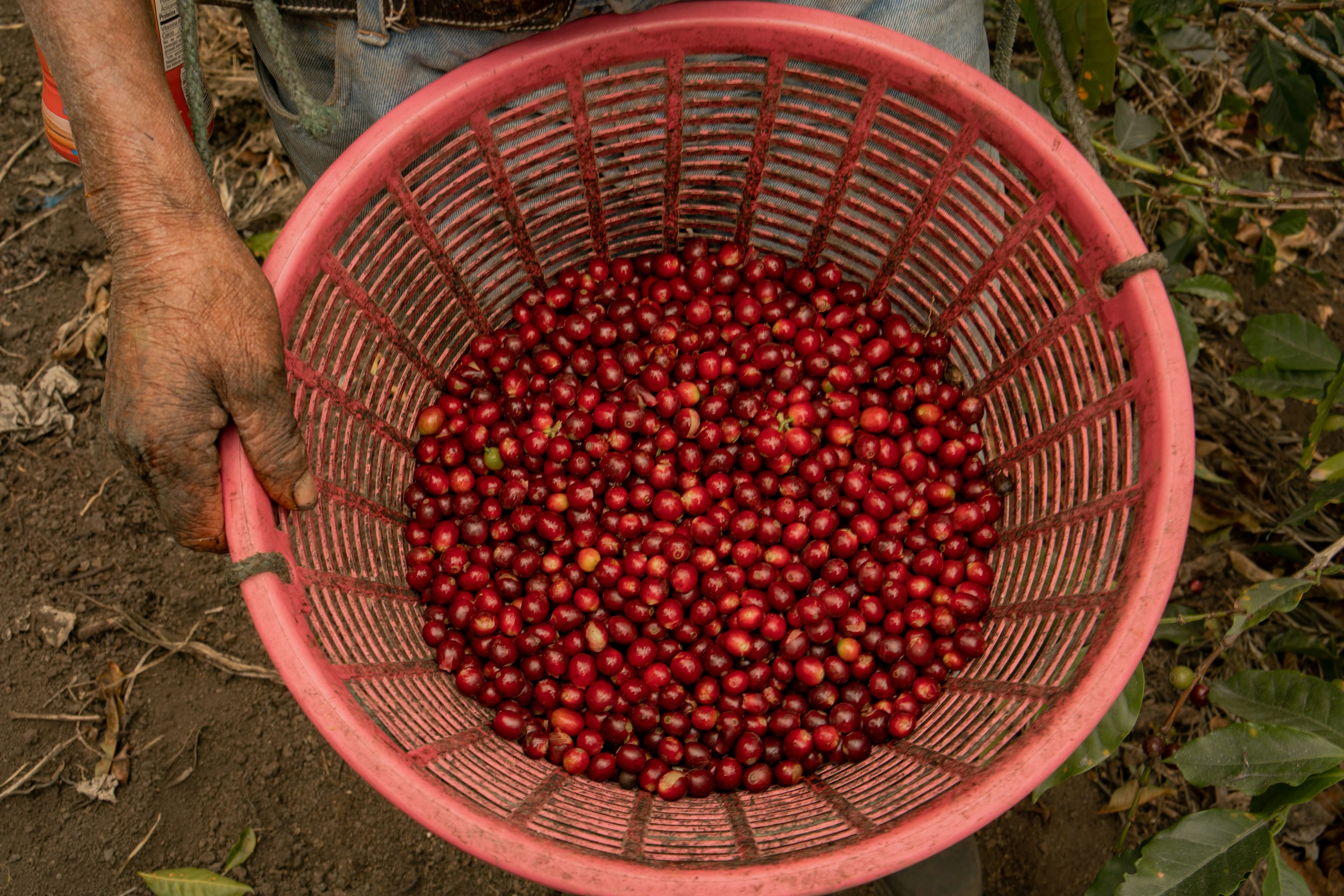
Coffee is a beloved beverage enjoyed by millions around the world. The quality and freshness of coffee beans play a crucial role in the taste and aroma of your brew. But can coffee beans go rancid? In this guide, we'll delve into whether coffee beans can become rancid, what causes this to happen, how to recognize the signs, and how to prevent it to ensure you always enjoy the perfect cup.
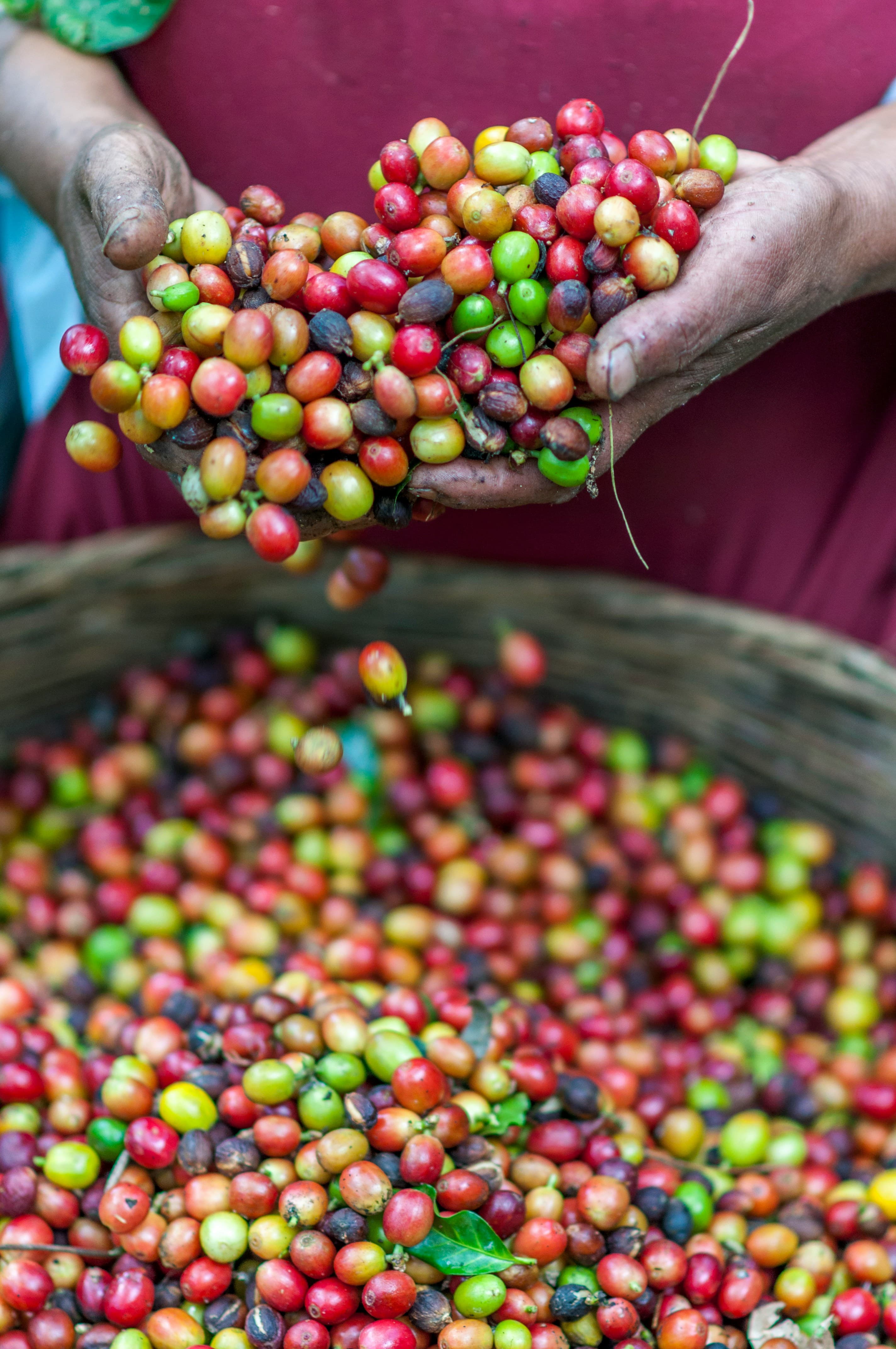
Coffee is a beloved beverage worldwide, but have you ever wondered if you can eat coffee beans straight up? Eating coffee beans is not a new concept; in fact, it dates back centuries. This guide delves into whether it's safe and enjoyable to eat coffee beans, the effects it may have, and what you should consider before trying them.
Discover how selecting the ideal coffee huller can boost efficiency, maintain bean integrity, and ensure the highest product quality across different coffee varieties and production volumes.
Extend the lifespan of your coffee processing equipment with expert maintenance tips from industry professionals, ensuring optimal performance and minimizing downtime.
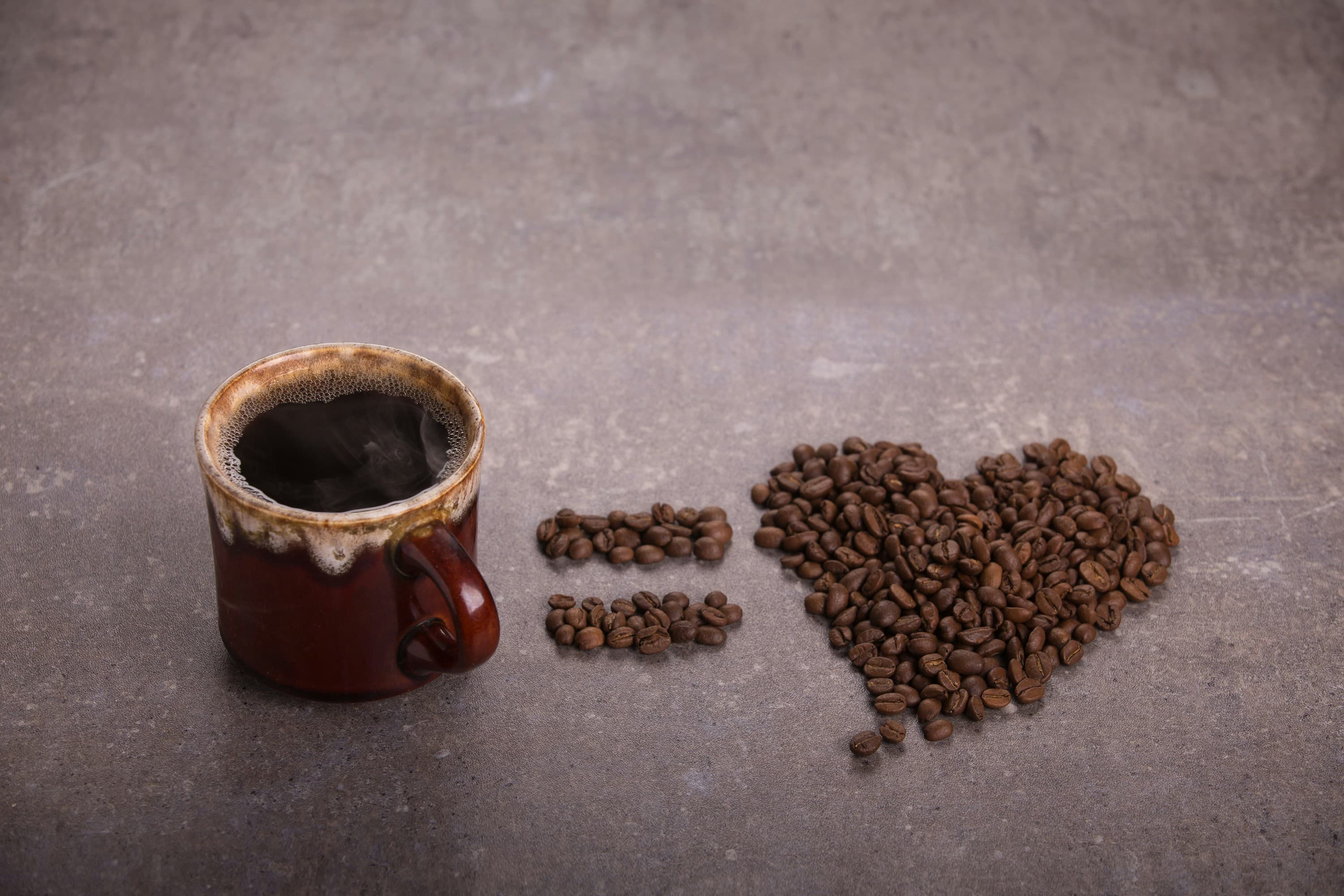
Coffee enthusiasts often debate whether it's better to buy whole beans or pre-ground coffee. A key factor in this decision is freshness, which significantly impacts the flavor and aroma of your brew. In this guide, we'll explore why coffee beans stay fresh longer than ground coffee and provide tips on how to maximize the freshness of your coffee.
Explore how implementing energy-efficient practices and machinery in your coffee production line can lower operating costs while meeting today’s growing demand for sustainable operations.
Discover how modern gravity separators can significantly improve the purity and quality of your coffee beans, leading to a superior final product.
Discover how advanced destoning and gravity separation technologies can elevate your coffee quality by removing foreign materials and sorting beans for uniform excellence.
Learn how using sample hullers can help maintain consistent quality in your coffee production by providing accurate assessments of your beans before full-scale processing.
Discover how to select the perfect coffee huller to enhance efficiency and improve the quality of your coffee production with expert insights and practical advice.
Learn how to navigate the rigorous requirements of global coffee markets, ensuring your beans meet quality, safety, and certification standards for smooth international trade.
Explore the diverse financing strategies that can help you invest in advanced coffee equipment without straining your cash flow, ensuring a strong ROI for your operation.
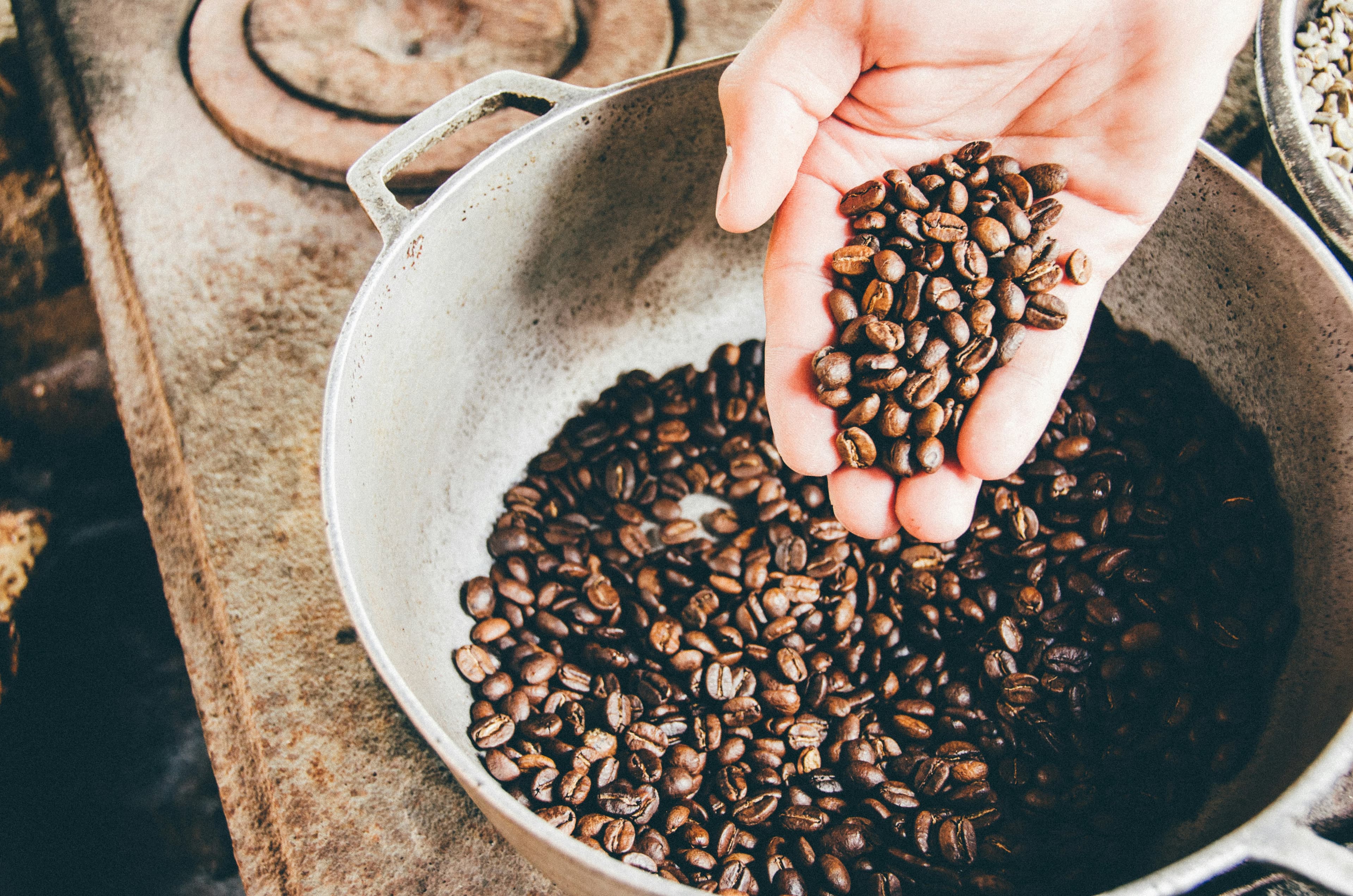
The journey of coffee from farm to cup involves several critical stages, and curing is one of the most essential steps in this process. Curing, often referred to as drying, is the stage where coffee beans are prepared after harvesting to develop their unique flavors and aromas. This comprehensive guide explores how coffee beans are cured, the methods involved, and the impact on the final product.
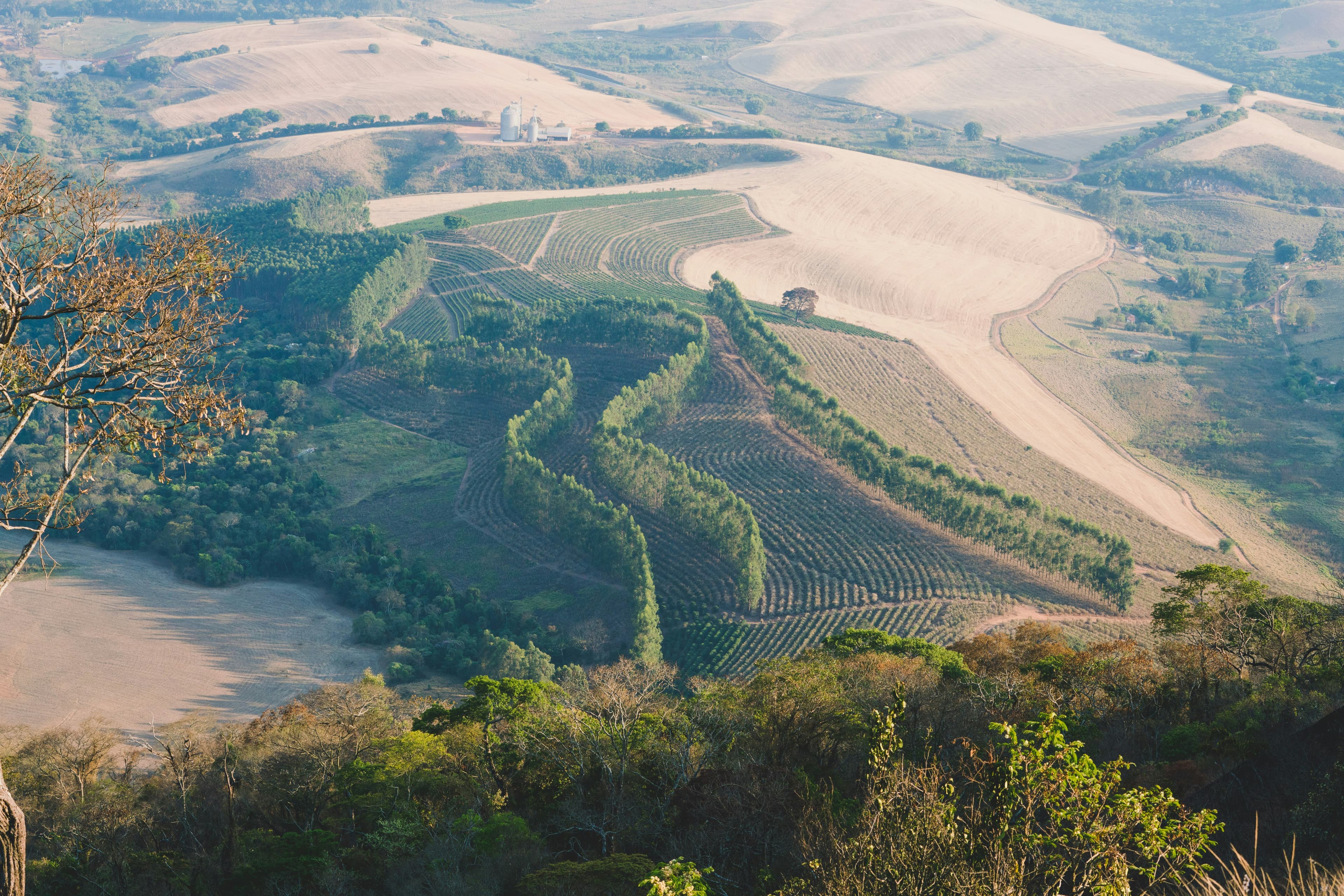
Coffee cultivation is a delicate art influenced by various environmental factors, and altitude is one of the most significant among them. The elevation at which coffee plants grow profoundly impacts their health, the maturation of coffee cherries, and ultimately, the taste of the coffee in your cup. This article delves into the relationship between altitude and coffee, explaining how higher elevations contribute to desirable flavor characteristics and why altitude is a key consideration in coffee production.
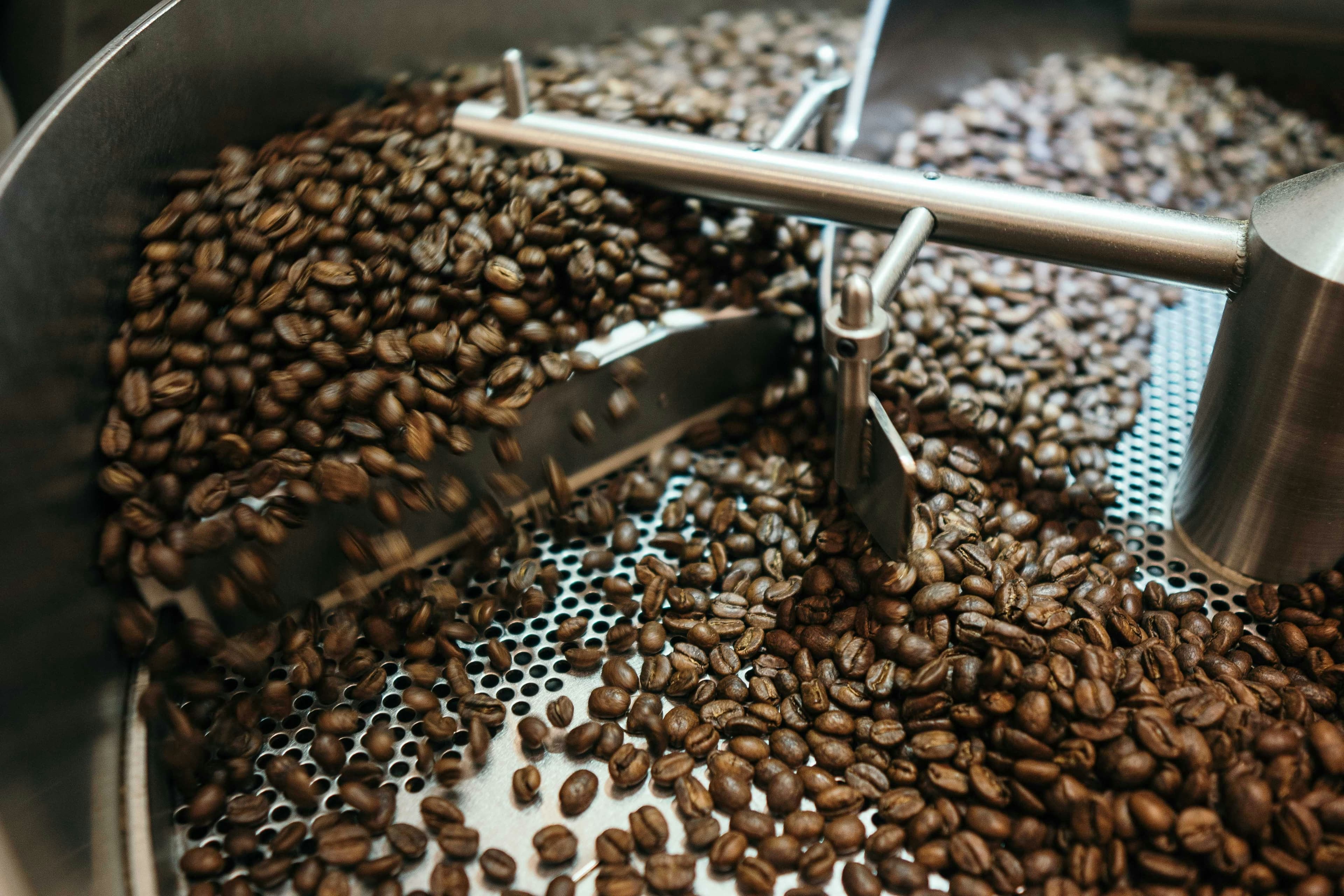
The journey of coffee from farm to cup involves numerous steps, each crucial in developing the flavors we enjoy. One often overlooked but essential stage is the resting period after roasting, also known as degassing. This guide explores how long you should let coffee beans sit after roasting and why this resting period is vital for achieving the best taste and aroma in your coffee.
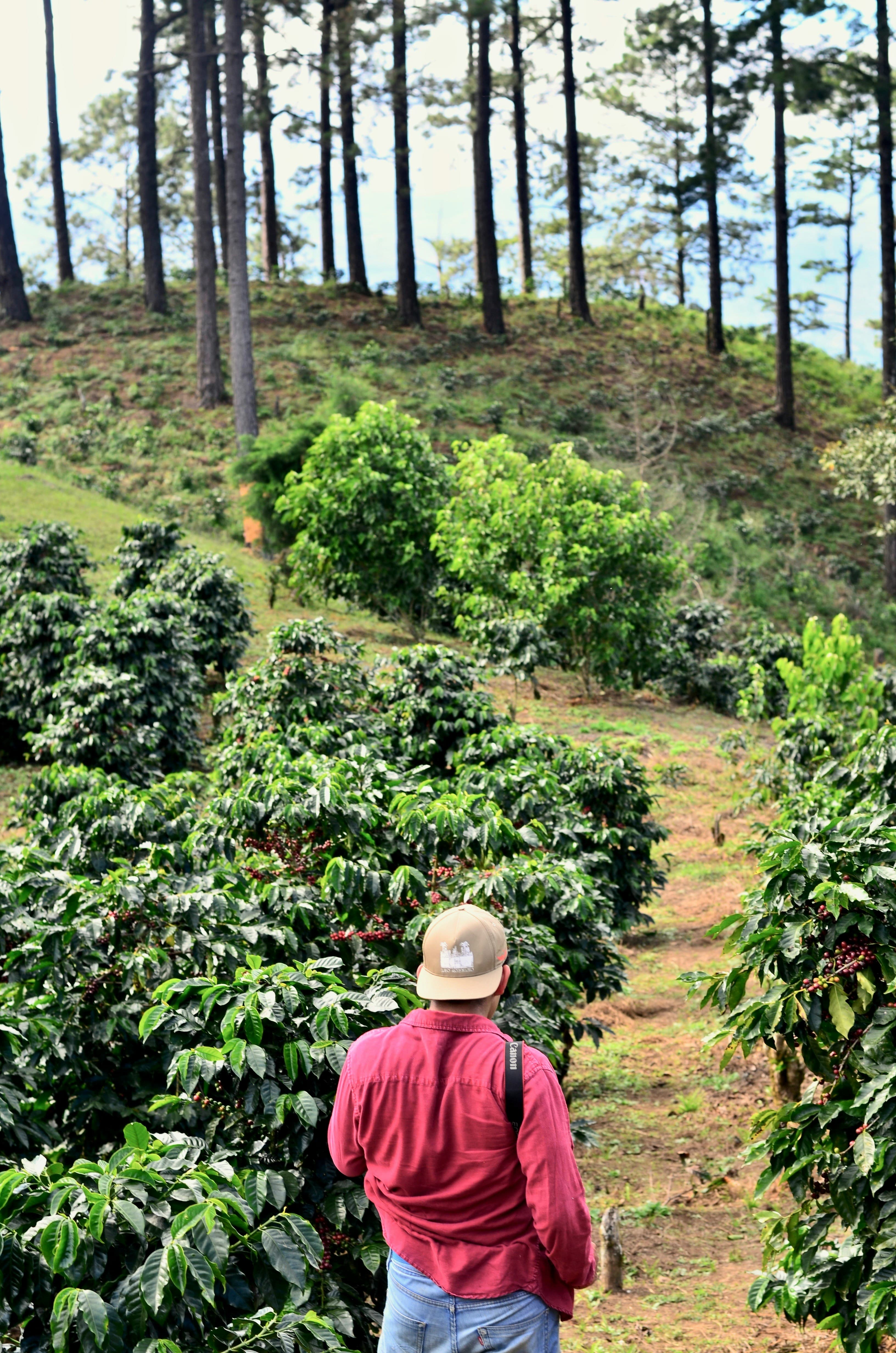
Coffee is a beloved beverage enjoyed by millions worldwide, but have you ever wondered how long it takes for a coffee plant to produce those precious beans? Understanding the growth cycle of coffee plants is essential for coffee farmers and enthusiasts alike. This article explores the timeline of a coffee plant's development from seedling to fruit-bearing maturity.

Brewing coffee at home is a cherished ritual for many, offering a comforting start to the day or a pleasant afternoon pick-me-up. However, achieving that perfect cup can sometimes be challenging. The good news is that with a few adjustments and attention to detail, you can significantly enhance the taste of your homemade coffee. This guide will explore various factors that influence coffee flavor and provide actionable advice to help you make your coffee taste better at home.
Discover best practices for maintaining bean freshness, preventing spoilage, and managing inventory with advanced coffee silo systems.
Coffee is a delicate product, and its quality can deteriorate rapidly if not stored properly. Freshness is key to experiencing the full range of flavors and aromas that coffee has to offer. Whether you're a casual drinker or a coffee connoisseur, understanding how to store your coffee beans correctly is essential. This guide will provide you with comprehensive strategies to keep your coffee beans fresh for as long as possible.
Explore the latest roasting techniques using modern equipment to enhance the flavor and quality of your coffee beans, delivering an exceptional experience to your customers.
Discover how regular upkeep, strategic planning, and professional support can keep your coffee processing equipment running at peak performance for years to come.
At Vmac Industries, we've mastered the balance between traditional craftsmanship and modern technology to deliver the best possible product to our customers. This blog delves into the practices that make our production process stand out and how we maintain consistent quality across all batches.
Discover how strategic investments in state-of-the-art machinery can reduce costs, increase throughput, and ultimately boost your bottom line.
Explore how strategic facility design and the integration of advanced technologies can streamline operations, boost productivity, and future-proof your coffee plant.
Discover how advanced coffee silo systems can keep your beans fresh, enhance operational efficiency, and protect the quality of your coffee.
Discover cutting-edge methods and equipment that ensure your coffee maintains its freshness, flavor, and quality throughout its journey from processing plant to consumer.
Learn how effective pre-cleaning safeguards your coffee plant from costly damage and ensures consistent bean quality throughout the production process.
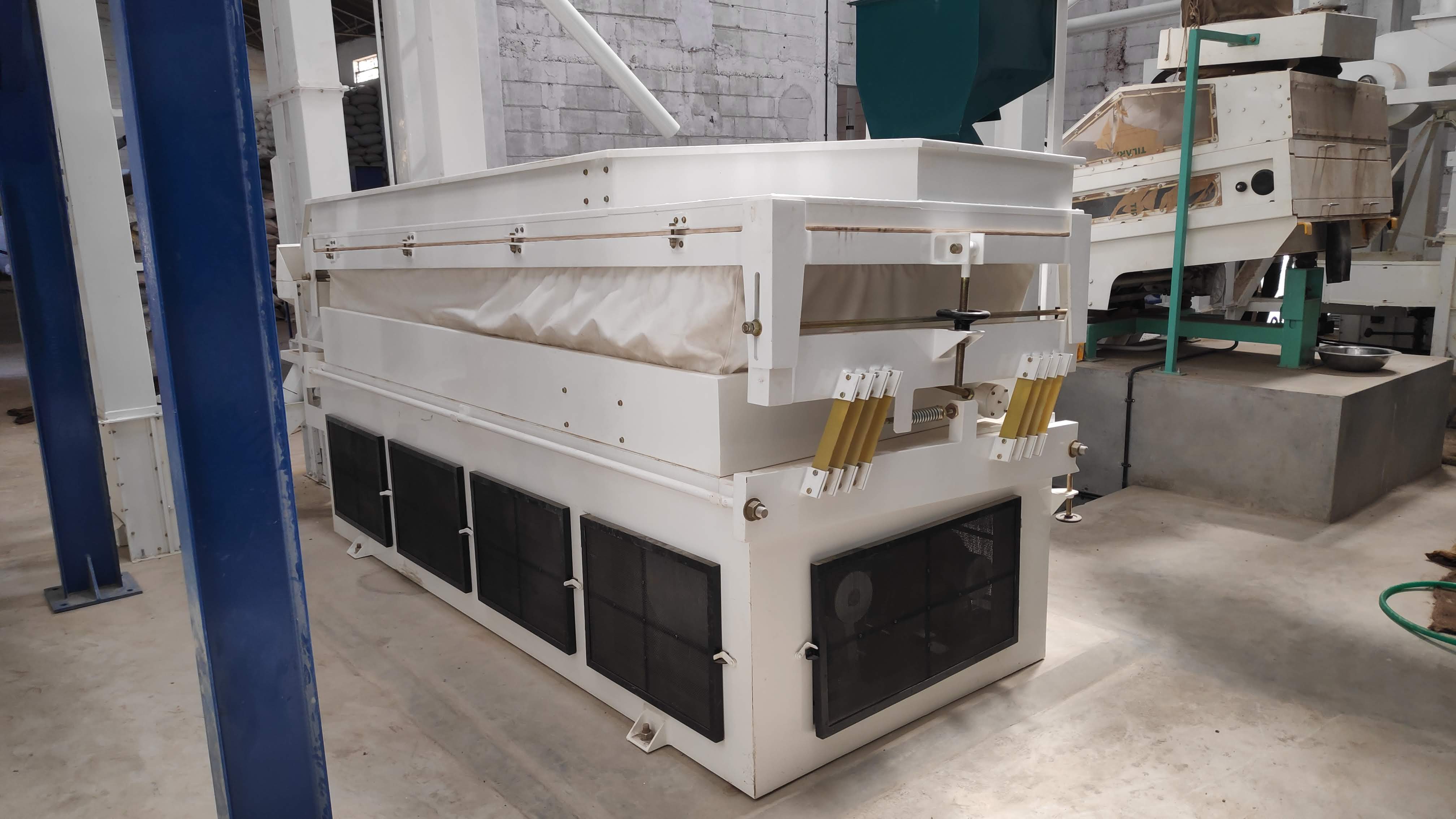
Sustainability is more than just a buzzword at Vmac Industries; it's a core part of our mission. As the demand for coffee continues to grow, so does the need for responsible production practices that protect the environment and ensure the long-term viability of the coffee industry.
Brewing the best-tasting coffee is both an art and a science. While personal preferences play a role, there are fundamental principles that can elevate your coffee experience. By concentrating on three crucial steps—selecting quality beans, grinding properly, and mastering your brewing method—you can enjoy a rich, flavorful cup every time. This guide will walk you through these steps, providing tips and insights to enhance your coffee-making skills.
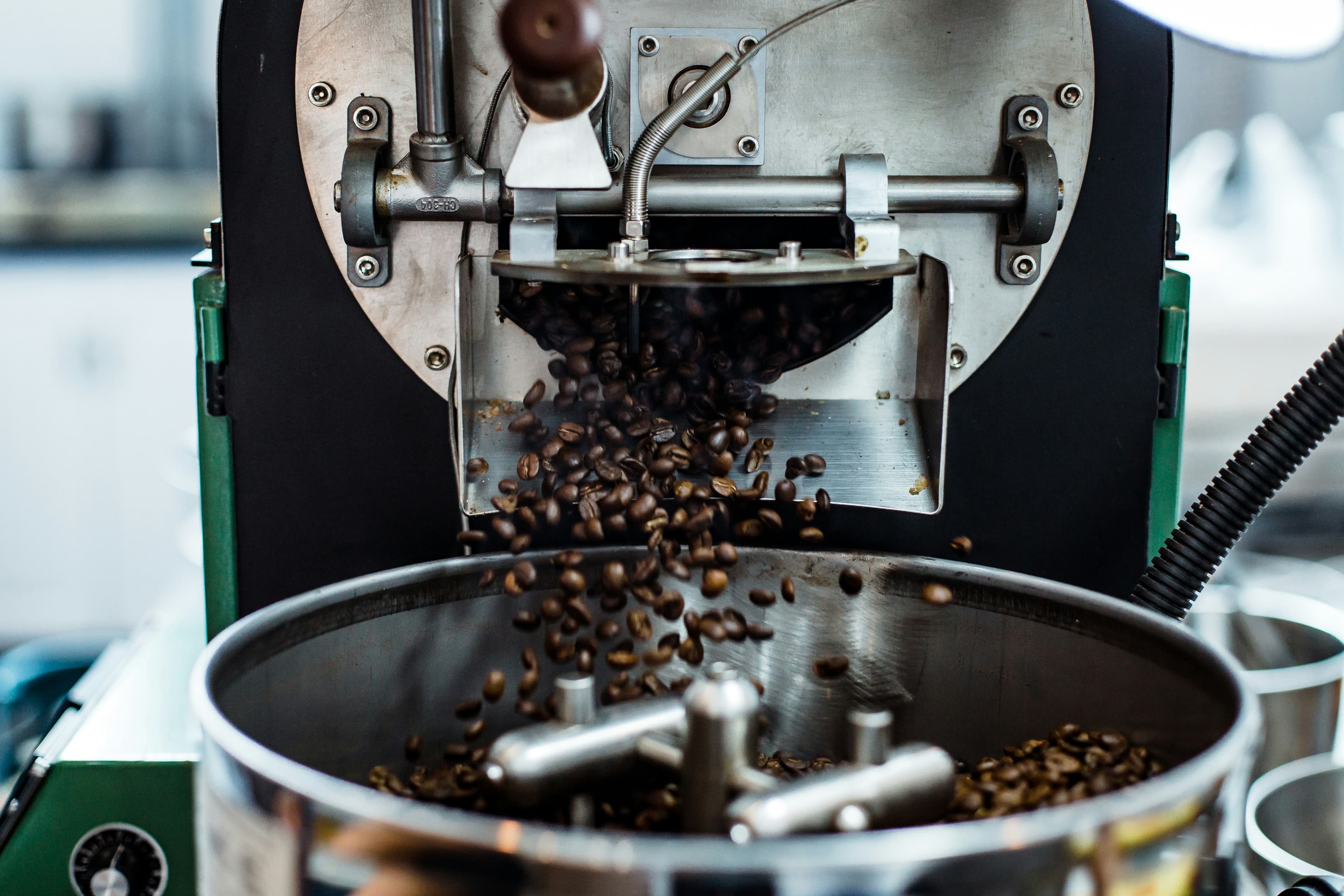
The art of coffee roasting transforms green coffee beans into the aromatic, flavorful beans we brew. Roasting is a delicate process that requires precise control of time and temperature to bring out the desired flavors. Understanding the different roast levels—light, medium, medium-dark, and dark—can enhance your appreciation of coffee and guide you in selecting beans that match your taste preferences. This article delves into each roast level, explaining how it affects the coffee's characteristics.
Coffee treatment, also known as coffee processing, refers to the series of actions taken to transform freshly harvested coffee cherries into green coffee beans ready for roasting. The methods used in coffee treatment significantly influence the final taste and quality of the coffee. This guide delves into the different types of coffee treatment methods and their effects on the beans.
Dry (natural), wet (washed), honey, and wet-hulled — the four main methods of processing coffee compared. What equipment each method requires, how they differ in cost and water usage, and the flavour profile each produces.
The complete coffee processing sequence: harvesting, sorting, pulping, fermentation, washing, drying, hulling, grading, and storage. What happens at each stage, what equipment is used, and how each step affects the final cup.
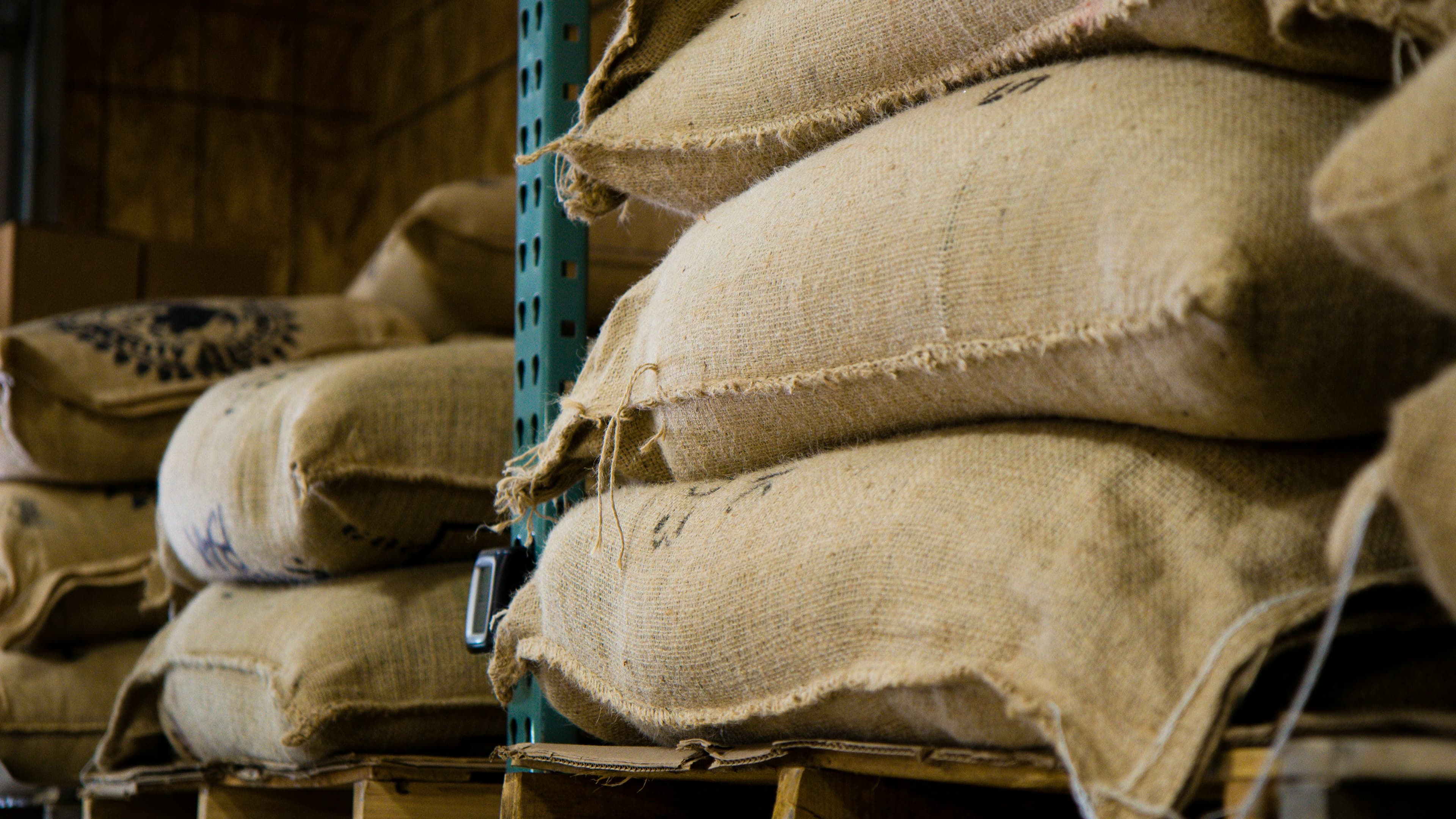
Coffee is a perishable product, and like all natural goods, it undergoes changes over time. Understanding what happens to coffee beans as they age is crucial for both coffee enthusiasts and producers. This guide delves into the effects of aging on coffee beans, how it impacts their quality, and ways to preserve their freshness for the best possible brew.
Coffee curing is the drying and conditioning process that reduces moisture to 10–12%, stabilises beans for storage, and develops flavour. This guide covers the curing process, mechanical vs sun drying, and the equipment used in modern curing works.
The journey from coffee cherry to the aromatic beans we brew begins with processing. The method used to process coffee has a profound impact on the flavor, aroma, and quality of the final product. With various techniques available, coffee producers often wonder: What is the best coffee processing method? This guide delves into the most common processing methods, their advantages, and considerations to help determine which one stands out.
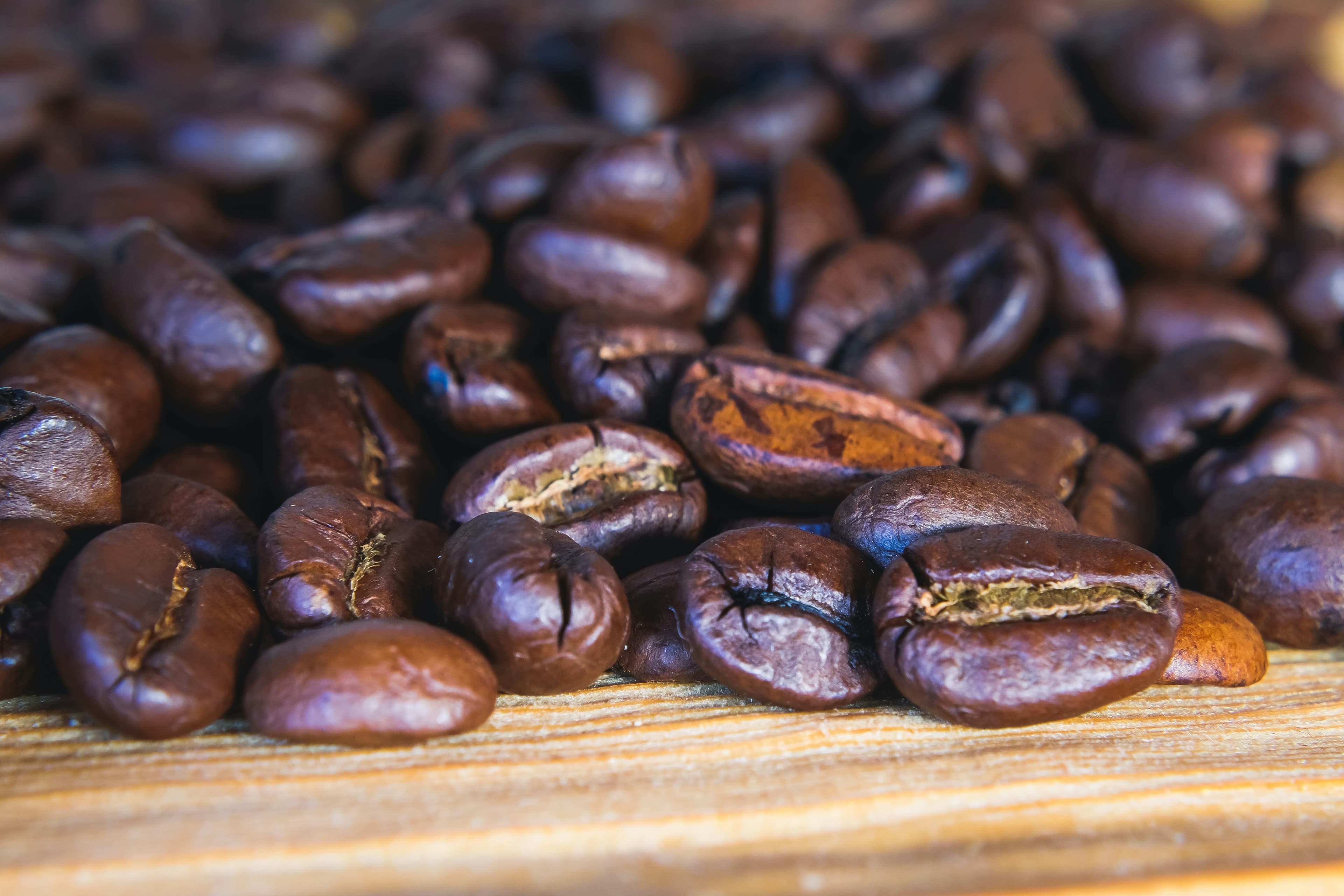
Coffee is one of the world's most popular beverages, and its two primary species—Coffea Arabica and Coffea Canephora (commonly known as Robusta)—dominate global production. Understanding the differences between Arabica and Robusta is essential for appreciating the diversity of coffee flavors and selecting beans that suit your taste preferences. This article delves into the characteristics that set these two coffee species apart.
A side-by-side comparison of wet (washed) and dry (natural) coffee processing — how each method works, the equipment required, water usage, environmental impact, cost, and how the choice affects cup flavour.
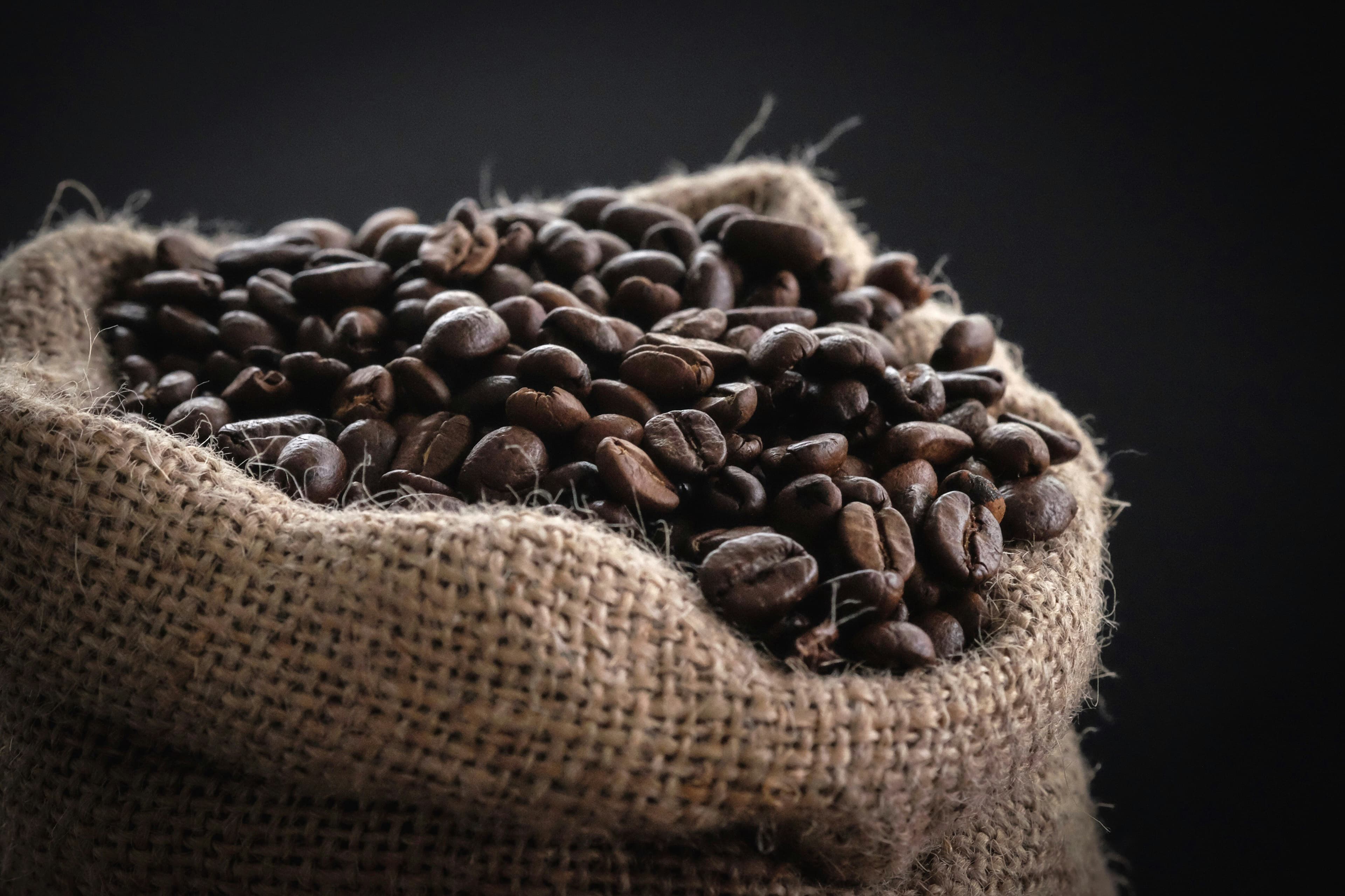
The world of coffee is vast and diverse, with flavors and varieties that cater to every palate. Among the myriad options, some coffees stand out not just for their unique taste but also for their hefty price tags. This article explores the most expensive coffees globally, delving into what makes them so special and sought after by enthusiasts.
Coffee is more than just a beverage; it's a daily ritual for millions of people around the world. Among the various brewing techniques, the drip coffee method stands out as the most popular due to its simplicity, convenience, and ability to produce a flavorful cup with minimal effort. In this article, we'll delve into what makes the drip coffee method so beloved and how you can perfect it at home.
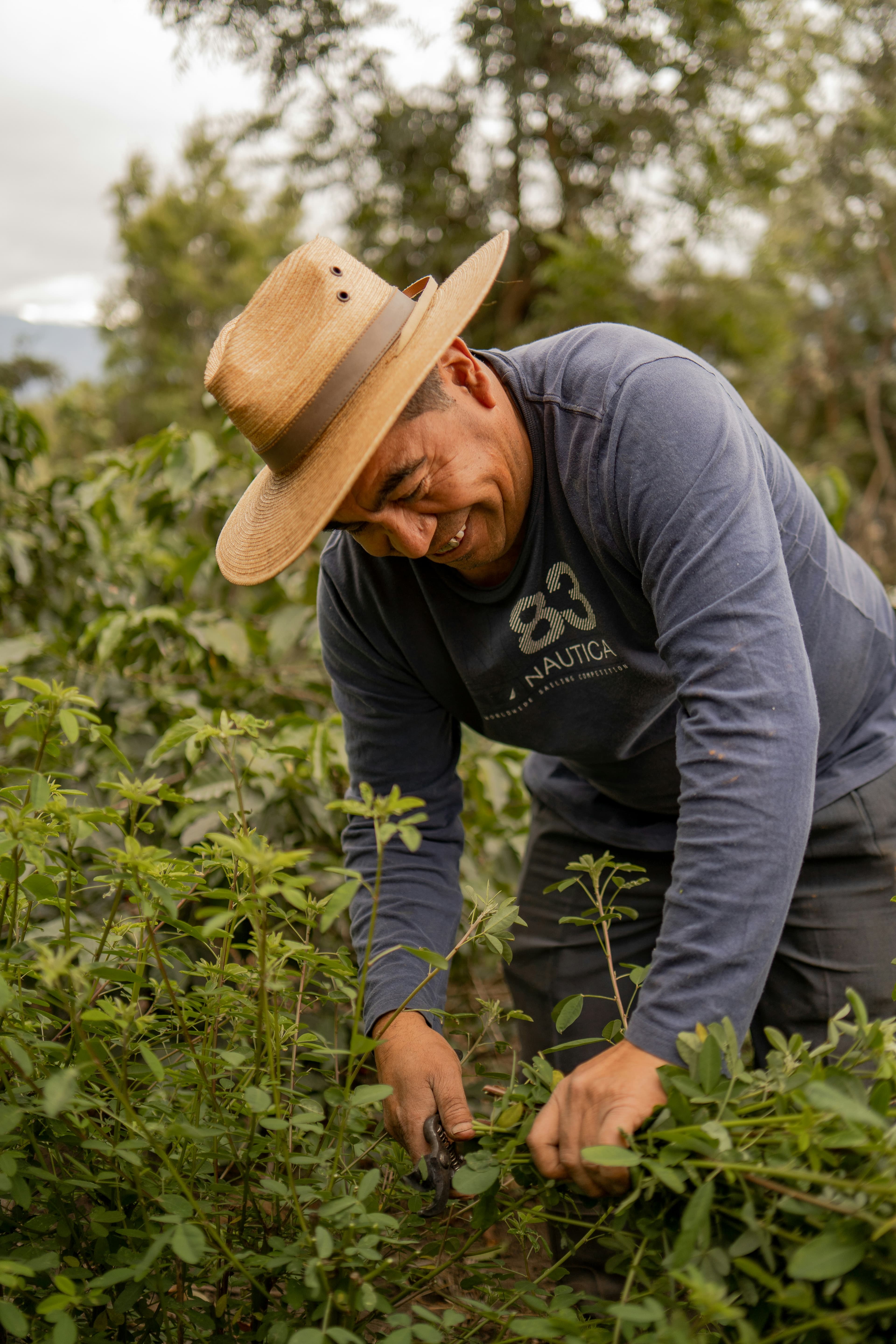
The journey of coffee from cherry to cup is a fascinating one, steeped in history and tradition. Among the various methods used to process coffee beans, one stands out as the oldest and most traditional: the dry processing method, also known as the natural process. This method has been used for centuries and continues to be a vital part of coffee production in many regions around the world. In this article, we'll explore the origins, techniques, and impact of the oldest coffee processing method.
Step-by-step guide to the wet (washed) coffee processing method — pulping, fermentation, washing, and drying. Covers the equipment needed at each stage, water requirements, and why washed coffee produces clean, bright cup profiles.

Coffee processing plays a pivotal role in determining the flavor, aroma, and overall quality of the final brew. Among the various methods employed, one stands out for its simplicity, minimal environmental impact, and cost-effectiveness: the Natural (Dry) Process. This method is considered the most natural and cheapest way to process coffee, especially in regions with abundant sunshine and limited access to water resources. In this article, we'll explore why the natural process holds this distinction and how it influences the coffee industry.
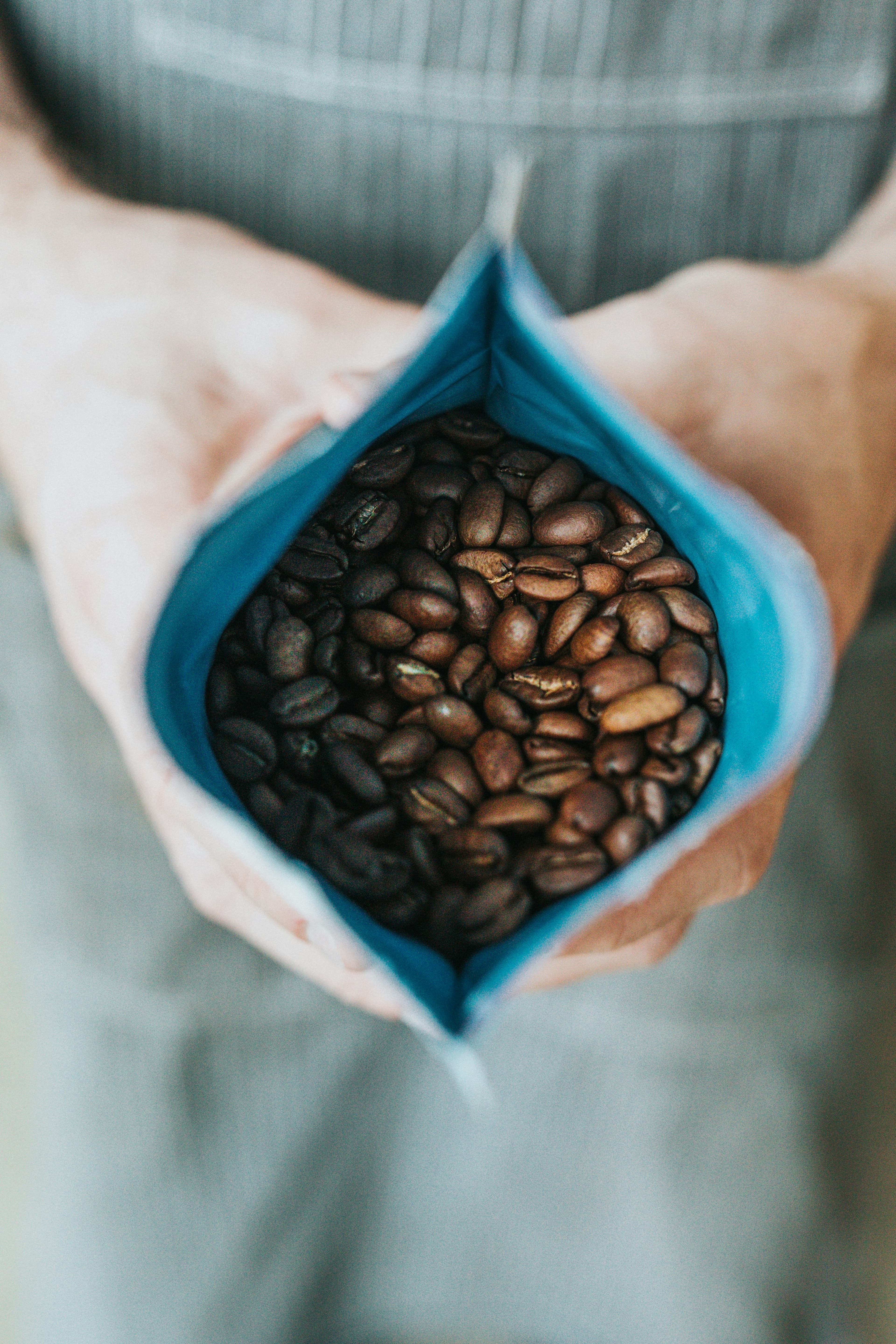
Coffee is one of the most beloved beverages worldwide, and its rich flavor and aroma are largely attributed to the quality of the coffee beans used. Many coffee enthusiasts agree that freshly roasted and properly processed coffee beans taste better than pre-ground coffee or instant alternatives. In this article, we'll delve into the reasons why coffee beans taste better, the science behind their flavor, and how you can maximize the taste of your coffee.
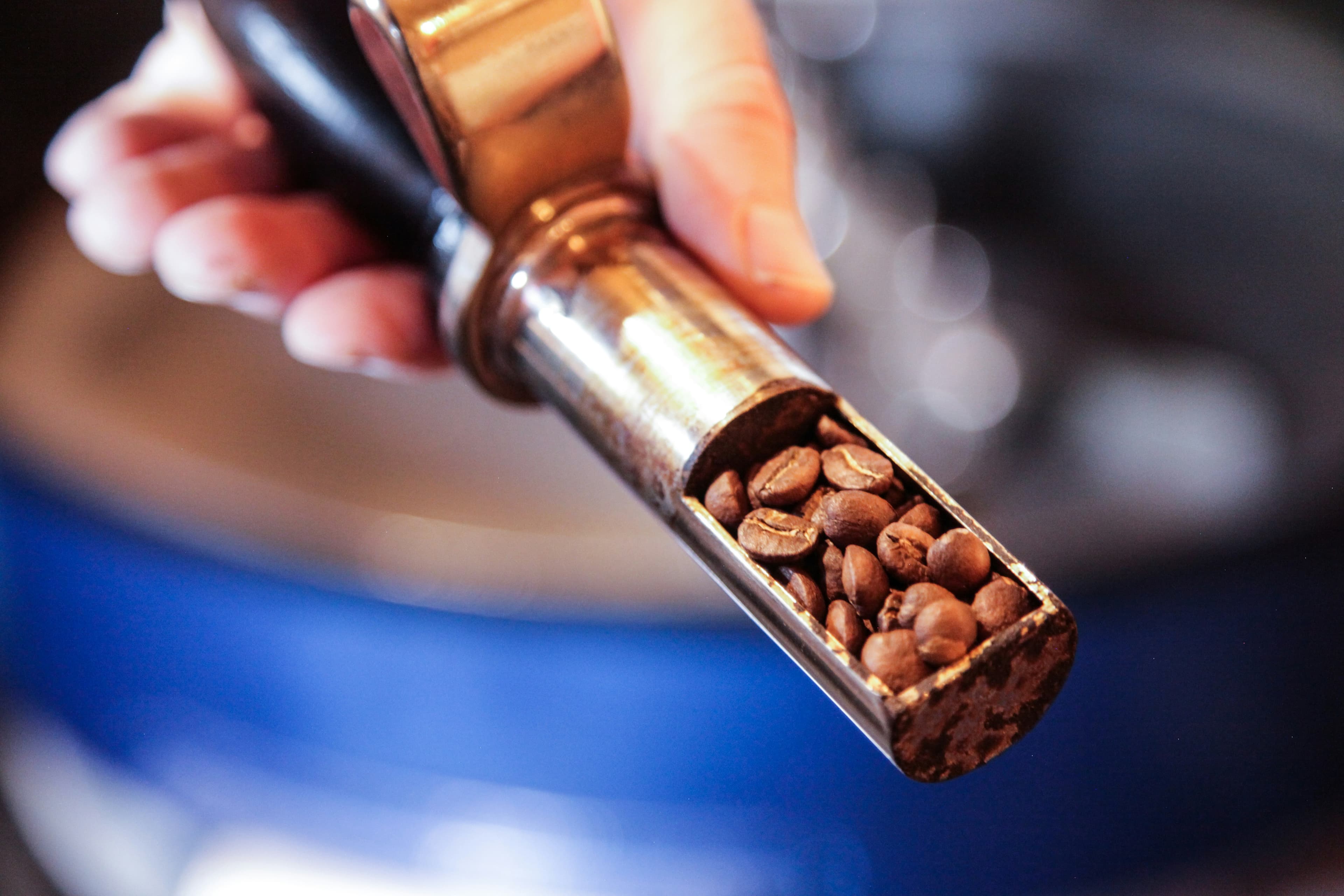
The journey from coffee cherry to your cup involves numerous steps that influence the final flavor and quality of the brew. One such step that might seem unusual is spraying water on coffee beans. This practice occurs at various stages of coffee processing and roasting. In this article, we'll explore why water is sprayed on coffee beans, the methods involved, and the benefits it brings to coffee production.
Discover how pre-cleaning your coffee beans enhances quality, efficiency, and the overall success of your coffee production.