
Coffee Cherry Classifier
Flotation-based cherry classifier that separates ripe, dense coffee cherry from unripe, overripe, and damaged floaters before pulping. Combines water-flotation density separation with size grading to deliver a uniform, ripe-cherry feed to the pulper — improving pulping efficiency, reducing fermentation defects, and protecting final cup quality.
| Capacity range | 500 kg/hr (small estate) to 15,000 kg/hr (large centralised wet mill). Rated at standard cherry mix — approximately 70% ripe, 20% unripe, 10% floaters. High floater percentage reduces effective ripe-cherry throughput at any given model rating. |
| Flotation channel / tank dimensions | Channel width: 300 mm (small) to 900 mm (industrial). Channel length: 1,200 mm to 4,000 mm. Water depth: 200–400 mm, adjustable by weir gate. Larger channel area allows higher cherry volume per metre of channel without crowding the flotation separation. |
| Pre-screen type and aperture | Vibratory flat screen (standard): 7–8 mm aperture to remove pin-cherry and debris. Rotary trommel pre-screen (optional upgrade): 6 mm undersize / 14 mm overs. Pre-screen is essential for accurate flotation — debris and pin-cherries disrupt the density separation if not removed first. |
| Water flow rate | 0.5–3.0 m/s surface velocity in the flotation channel (adjustable by water inlet valve). Higher velocity provides faster cherry throughput but reduces the time available for density separation — reduce velocity for difficult lots with high floater percentage or close density margin between ripe and unripe. |
| Water consumption | 30–60 litres per tonne of cherry processed (net consumption after recirculation). Without water recycling, gross consumption is 150–300 litres per tonne. Recycling channel and sedimentation tank reduce net consumption by 70–80%. |
| Output streams | Stream 1: Ripe sinking cherry (product) — discharged from the bottom of the flotation channel or through an adjustable discharge gate to the pulper. Stream 2: Floaters (unripe + overripe + damaged) — skimmed from the water surface or collected at an overflow weir and diverted to separate holding. Stream 3: Undersize pin-cherry + debris — collected at the pre-screen undersize hopper. |
| Motor power | Water pump: 0.37–2.2 kW (model dependent). Pre-screen drive: 0.25–0.75 kW vibratory motor. Total installed power: 0.75–3.0 kW. Water pump is the primary power consumer; running the recirculation circuit reduces pump demand versus once-through fresh water flow. |
| Construction | Mild steel with epoxy coating (standard) or full SS 304 (recommended for export-quality mills and specialty operations). Flotation channel welded construction with smooth internal surfaces for consistent flow. Vibratory screen frame with field-replaceable perforated panels. Overflow weir adjustable by stainless steel weir plates. All wetted components smooth-finish for cleanability. |
| Water recycling circuit | Flotation water exits via an overflow weir into a sedimentation channel where cherry pulp fragments, soil, and organic matter settle out before the water is pumped back to the inlet. Sedimentation channel cleaned once per day during a production run. Reduces wastewater discharge volume and net water consumption. |
| Integration | Cherry inlet: receives cherry from trommel grader discharge or directly from the receiving conveyor. Ripe cherry outlet: gravity-fed or pump-fed to pulper intake hopper. Floater outlet: gravity-drained to separate holding tank. Footprint and discharge height matched to VMAC pulper inlet specifications for direct inline installation. |
Key Features
Flotation-based density separation: ripe cherry (dense, sinks) separated from unripe, overripe, and damaged floaters in a single water-channel or tank pass — the most reliable cherry maturity indicator available at intake
Combined size grading and density separation in one machine — vibratory screen or trommel pre-screen removes pin-cherries and debris before flotation for accurate, clean density separation
Adjustable water flow velocity in the channel controls the sensitivity of the density cut — finer maturity discrimination is achievable by tuning flow rate and channel depth
Floaters collected separately as a managed by-product stream: green unripe cherry, overripe cherry, and damaged cherry channelled to distinct holding areas for separate processing decisions
Continuous operation design: constant water inflow and cherry feed produces a steady, classified output stream directly to the pulper without batch interruption
Reduces pulper wear by eliminating oversize, undersized, and hardened unripe cherry — uniform ripe cherry minimises the gap-adjustment frequency and pulping drum stress
Consistent flotation stage reduces fermentation variability: removing cherry with abnormal mucilage composition before fermentation prevents off-flavour propagation through the tank
Water recycling circuit: flotation water is recirculated via a sedimentation channel before re-use, reducing fresh water consumption per tonne of cherry processed
Compact footprint: classifier fits between the trommel grader and pulper in the standard wet-mill intake layout; discharge height matched to direct-feed pulper hoppers
Available in models from 500 kg/hr for small estate wet mills to 15 TPH for large centralised intake stations
Models & Sizing
Cherry Classifier Model Range
VMAC cherry classifiers are available in five capacity tiers. Models are rated at standard cherry mix (70% ripe, 20% unripe, 10% floaters). Where floater percentage is higher than typical — such as at end-of-season or mixed-harvest receipts — effective ripe-cherry throughput will be lower than the rated figure.
CC-S500 (Small Estate)
500–1,000 kg/hr cherry
capacity
Small estate wet mills receiving up to 5–8 tonnes of cherry per day. Vibratory pre-screen with 7 mm aperture. Single flotation channel with manual weir gate. Compact footprint; suitable for farms with limited processing space.
CC-S2000 (Mid-Scale Estate)
1,500–2,500 kg/hr cherry
capacity
Mid-scale estate wet mills receiving 12–20 tonnes per day. Vibratory pre-screen plus adjustable weir-gate floater skimmer. Water recycling circuit included. Standard for Kodagu and Chikkamagaluru estates targeting Plantation AA certification.
CC-S5000 (Commercial Wet Mill)
3,000–5,000 kg/hr cherry
capacity
Commercial-scale centralised wet mills serving multiple farms. Trommel pre-screen option. Dual flotation lanes for parallel processing. Water recycling sedimentation tank included. Suitable for GI-designated origin mills and certified organic cooperatives.
CC-S8000 (Large Centralised Mill)
5,000–8,000 kg/hr cherry
capacity
Large wet-processing stations receiving cherry from 300–800 acres across multiple blocks. Trommel pre-screen standard. Motorised weir-gate floater skimmer. Continuous water recirculation with sedimentation bypass valve. Used by large Arabica exporters in Karnataka.
CC-S15000 (Industrial Intake)
8,000–15,000 kg/hr cherry
capacity
Industrial-scale centralised intake stations. Dual parallel flotation channels with common trommel pre-screen. Automated weir-gate control with adjustable overflow. Full SS 304 construction. Full-season continuous operation. Suitable for large cooperative processing stations receiving cherry from multiple estates simultaneously.
Custom
Your specification
capacity
For operations requiring throughput beyond the standard range. VMAC engineers the machine to your exact capacity and processing conditions.
Request a Custom QuoteConfigurations
Cherry Classifier Model Range
Flotation-based cherry density classifiers with vibratory or trommel pre-screen — for estate and centralised wet-mill intake
| Model | Capacity (cherry) | Total Power | Channel Dimensions | Pre-screen Type | Water Recycling | Best For |
|---|---|---|---|---|---|---|
| CC-S500 | 500–1,000 kg/hr | 0.75 kW | 300 × 1,200 mm | Vibratory flat screen | Optional | Small estate wet mill |
| CC-S2000 | 1,500–2,500 kg/hr | 1.5 kW | 450 × 2,000 mm | Vibratory flat screen | Included | Mid-scale estate / cooperative |
| CC-S5000 | 3,000–5,000 kg/hr | 2.2 kW | 600 × 2,800 mm | Vibratory or trommel | Included | Commercial centralised wet mill |
| CC-S8000 | 5,000–8,000 kg/hr | 3.0 kW | 750 × 3,500 mm | Trommel (standard) | Included | Large estate / GI-origin mill |
| CC-S15000 | 8,000–15,000 kg/hr | 5.5 kW | 900 × 4,000 mm | Trommel dual-lane | Included (auto-control) | Industrial intake station |
| Custom | Built to your capacity and specification — contact us for a quote | |||||
Overview
About the Coffee Cherry Classifier
Coffee cherry classification is the most consequential single step in wet-mill quality control. Every cherry that enters the pulper should be ripe, sound, and of consistent size. Unripe green cherry, overripe mushy cherry, and insect-damaged cherry each introduce defects that cannot be corrected once they enter the processing line — their mucilage composition differs from ripe cherry, their pulping behaviour is wrong for the pulper's mechanical settings, and the fermentation metabolites they contribute to the parchment batch produce off-flavours detectable in the cup months later. The cherry classifier removes these problem cherries before they can contaminate the lot. VMAC's coffee cherry classifier combines two complementary separation mechanisms in a single machine. The primary separation is density-based flotation in a water channel or flotation tank. Coffee cherry density correlates reliably with maturity: a fully ripe cherry has completed its sugars development, its cellular structure is firm, and its seed (the coffee bean) is fully formed and dense. Ripe cherry sinks. An unripe green cherry has not yet achieved full cellular density; an overripe or fermenting cherry has undergone internal breakdown that reduces density — both float. A water flotation channel exploits this density difference: cherry fed into the flow separates cleanly into a sinking fraction (ripe product) and a floating fraction (unripe, overripe, and damaged rejects). The secondary separation is mechanical size grading — either a vibratory screen or a trommel screen — that removes undersize pin-cherries and oversized clumps before the cherry reaches the flotation stage, ensuring accurate and consistent flotation behaviour. The floaters are not simply discarded. Depending on their composition, they represent different value streams: green unripe cherry may be re-harvested in a following picking round if the estate allows selective re-processing; overripe floaters can often be diverted to a natural (dry) processing track where their higher initial sugar content can be an advantage; heavily damaged or fermented floaters are composted. Managing floaters as a deliberate by-product stream, rather than as random contamination mixed into the main lot, is a hallmark of well-managed wet mills. In Indian coffee processing, cherry classification is standard practice in all certified organic, specialty, and Geographical Indication (Coorg, Araku Valley) wet mills. The Coffee Board of India requires traceability documentation for premium Arabica grades; consistent cherry classification is fundamental to achieving the defect counts specified for Plantation AA and specialty designations. VMAC cherry classifiers are used across Arabica-growing estates in Kodagu, Chikkamagaluru, Wayanad, and Shevaroy Hills.
How It Works
How It Works
The cherry classifier separates coffee cherry by maturity and density using water flotation. Ripe cherry sinks; unripe, overripe, and damaged cherry floats. The machine combines mechanical pre-screening with a flotation channel to deliver clean, uniform, ripe cherry to the pulper.
Cherry intake and pre-screening
Cherry from the receiving hopper or trommel grader enters the classifier through the inlet chute. Before reaching the flotation channel, the cherry passes over a pre-screen — a vibratory flat screen or trommel section with 7–8 mm apertures. This removes pin-cherries (underdeveloped small cherries too small to float accurately), soil and gravel (which would sink alongside ripe cherry and enter the pulper), and any gross debris remaining after the trommel grader. Removing these fractions before flotation is critical: soil and stones sink just like ripe cherry and would appear in the sinking (product) fraction if not removed upstream.
Flotation channel — density separation by maturity
Pre-screened cherry of consistent size enters the flotation channel or tank where it contacts a continuous flow of water. Ripe cherry — with a specific gravity of approximately 1.05–1.10 g/mL — sinks to the bottom of the channel and is carried along in a bottom-current layer toward the ripe-cherry discharge. Unripe green cherry, with incomplete cellular density (specific gravity approximately 0.95–1.00 g/mL), floats at or near the surface. Overripe and fermenting cherry, whose internal structure has broken down (specific gravity 0.90–0.98 g/mL), also floats. Insect-damaged cherry with internal voids floats readily. The floating fraction accumulates on the water surface and is continuously skimmed or weired off into the floater collection channel.
Ripe cherry collection and discharge to pulper
Ripe sinking cherry is discharged from the end of the flotation channel through a controlled discharge gate or overflow weir set at the appropriate depth to collect the dense bottom fraction only. The discharge flow is regulated to match the pulper's feed rate — the classifier is designed to operate as a continuous feed regulator for the pulper, not a batch pre-sorter. Ripe cherry exiting the classifier flows directly into the pulper intake hopper by gravity or via a short recycle pump. The uniformity of the ripe cherry fraction — consistent size from the pre-screen and consistent maturity from the flotation — allows the pulper's gap setting to be optimised and maintained throughout the processing session.
Floater collection and by-product management
The floating fraction — containing unripe green cherry, overripe cherry, damaged cherry, and any insects or foreign organic matter that floated — is diverted via the surface weir into a separate holding tank or channel. This floater stream is never mixed back into the main product lot. Common processing decisions for the floater stream: (1) green unripe cherry — held separately and re-assessed; if picking from the same block resumes in 1–2 weeks, these may ripen further and can be re-submitted at the next picking; (2) overripe floaters — processed as a natural/dry-processed lot on raised beds; the higher sugar content of overripe cherry can produce interesting natural-process flavours when managed carefully; (3) heavily damaged or fermented floaters — composted or discarded. The clean separation at this stage means each fraction can be deliberately managed as a distinct quality or process stream.
Defect Separation
What the Cherry Classifier Removes — and What It Cannot Detect
Cherry classification works on density difference between ripe and non-ripe cherry. Any defect that changes the density of the whole cherry — incomplete development, internal breakdown, or internal damage — is detectable. Defects that appear only inside the bean, invisible at the cherry stage, cannot be classified here.
Separated by classification (floaters or undersize)
Unripe green cherry (underripe floaters)
Green cherry that has not reached full maturity has not completed cellular development. Its specific gravity is lower than ripe cherry (approximately 0.95–1.00 g/mL) — it floats. Green cherry fed to the pulper creates pulping problems: the skin does not separate cleanly, parchment is damaged, and mucilage composition is incomplete. Removal at this stage prevents starchy, grassy fermentation by-products from contaminating the parchment batch.
Overripe and fermenting cherry
Cherry that has progressed past peak ripeness and begun internal breakdown loses cellular integrity and density. These float reliably and are diverted to the floater stream. Processing overripe cherry through the main pulper introduces advanced fermentation metabolites (acetic and butyric acids) that produce sour, fermented off-flavours in the cup.
Damaged and insect-affected cherry
Cherry bored by the Coffee Berry Borer (Hypothenemus hampei) or mechanically damaged during picking and transport has internal voids and structural damage that reduces density. Severely damaged cherry floats and is removed by the classifier, reducing the proportion of insect-damaged beans entering the pulper and wet-mill processing stream.
Pin-cherries and underdeveloped cherry (pre-screen)
Undersized cherry removed at the pre-screen (7–8 mm aperture) before reaching the flotation channel. Pin-cherries represent a false-positive risk in flotation — their small size means their flotation behaviour is unpredictable — so physical removal by screening before flotation is necessary.
Floating foreign organic matter
Leaves, seeds from other fruit, small pieces of organic debris that floated through the trommel grader are captured at the flotation surface and diverted with the floater stream — keeping the ripe cherry stream free of extraneous organic material before pulping.
Not detectable at cherry classification stage
Colour or flavour defects inside the bean
Genetic or soil-chemistry-related defects that affect the internal bean quality but do not change the cherry's external density or size cannot be detected at classification. These only manifest after hulling and are addressed by the gravity separator and colour sorter in the dry mill.
Subtle unripe cherry at the ripeness boundary
Cherry that is 90–95% ripe — not fully ripe but close to density parity with peak-ripe cherry — may not float and may pass through the classifier as product. The classifier removes clear floaters reliably; it does not guarantee that every sinking cherry is at peak ripeness. Field selective picking practices are the complement to classifier density separation.
Post-pulping defects introduced at fermentation
Over-fermentation, under-fermentation, and contamination of the fermentation tank are wet-mill process defects that occur after classification. Cherry classification cannot prevent fermentation mismanagement — that requires proper tank management and monitoring.
Dense foreign material (stones, dense soil)
Stones and dense soil particles sink faster and more reliably than ripe cherry and will appear in the sinking product stream if present. The pre-screen removes coarse debris, but a dedicated trommel grader upstream — and ideally a wet destoner in the water channel — is required to remove all dense foreign material before classification.
Cherry classification is the first and most critical quality gate in the wet mill. It cannot replace careful selective harvesting — the best classification results come from cherry that has been picked at peak ripeness in the first place. Classification amplifies good picking quality; it does not compensate for systematic early picking.
Know the Difference
Coffee Cherry Classifier vs. Unclassified (direct feed to pulper)
Many estate mills, particularly lower-volume operations or those under time pressure at peak harvest, feed cherry directly from the receiving hopper to the pulper without classification. The comparison below shows the cumulative effect of this choice across the processing line and in the final cup.
| Feature | Coffee Cherry Classifier | Unclassified (direct feed to pulper) |
|---|---|---|
| Cherry uniformity at pulper inlet | Ripe cherry only, uniform size — pulper gap optimised once per cherry variety; consistent skin removal, minimal parchment damage | Mixed ripe, unripe, overripe cherry — pulper gap compromised for all size and maturity types simultaneously; higher cherry damage rate |
| Fermentation tank consistency | Homogeneous mucilage composition from ripe cherry only; fermentation proceeds predictably at a consistent rate across the entire tank | Starchy mucilage from unripe cherry and over-fermented mucilage from overripe cherry alter the fermentation chemistry; off-flavour risk elevated |
| Defect count in parchment and green bean | Lower unripe and fermentation defect counts; easier to meet Coffee Board defect limits for Plantation AA and specialty grades | Higher quaker (unripe) percentage in green bean; higher partial fermentation (sour) defect count; gravity separator and colour sorter face higher defect load |
| Cup quality | Clean, consistent flavour profile; ripe-cherry sweetness and acidity preserved; fewer cupping defects per lot | Variable cup quality between lots from the same block; grassy, starchy, or sour notes introduced by unripe and overripe cherry fraction |
| Pulper maintenance | Reduced pulper drum and breast plate wear; fewer adjustments required per session; less cherry blocking at pulper inlet | Unripe cherry (higher skin tensile strength) and overs increase pulper wear and adjustment frequency during the season |
| Water and waste management | Floaters separated dry (at classification stage); lower organic load entering the pulping water circuit | Overripe and damaged cherry enters the pulper and breaks down in the mucilage water — increases BOD of wet-mill effluent |
| Traceability and certification | Classified cherry processing supports lot traceability, organic certification, and GI (Geographical Indication) documentation required for premium Indian export grades | Unclassified processing is difficult to document or certify at the cherry level; quality variability harder to attribute to specific field blocks |
The cherry classifier pays back its capital cost through improved grade outturn (lower defect counts mean higher proportions of Plantation AA versus lower grades) and reduced pulper and fermentation management costs. For specialty and certified organic production, cherry classification is effectively a prerequisite.
Processing Line
Position in Wet Mill Processing Line
The cherry classifier is the second machine in the wet mill intake sequence, positioned immediately after the trommel grader (size pre-grading) and before the pulper. It is the quality gate that determines what cherry enters the main processing line.
Cherry receipt / receiving hopper
Cherry delivered by pickers or transport; held in receiving hopper before processing
Trommel Grader (Rotary Drum Grader)
First active machine: removes pin-cherries, soil, stones, and debris; grades cherry to consistent size range for accurate flotation
Coffee Cherry Classifier
This machineDensity flotation separates ripe cherry (sinks, product) from unripe, overripe, and damaged floaters; floaters diverted to separate processing or disposal stream
Coffee Pulper
Receives only ripe, size-graded cherry from the classifier; gap setting optimised for uniform cherry; higher efficiency, lower cherry damage
Demucilager or Fermentation tank
Parchment demucilaged mechanically or via controlled wet fermentation; uniform mucilage from classified ripe cherry ferments consistently
Washing channel / Grading channel
Final rinse removes residual mucilage; channel flow provides secondary density separation of parchment
Drying beds / Mechanical dryer
Parchment dried to 10.5–11.5% moisture for storage and shipment to curing works
Floater by-product stream (parallel)
Floaters from classifier collected in separate tank; processed as natural/dry on raised drying beds or composted
FAQ
Frequently Asked Questions
How does flotation actually separate ripe from unripe cherry?
The separation is based on the density of the whole cherry relative to water (specific gravity 1.00 g/mL). Ripe coffee cherry has a specific gravity of approximately 1.05–1.10 g/mL — it is denser than water and sinks. Unripe green cherry has not yet completed cellular development; its specific gravity is below 1.00 g/mL — it floats. Overripe and fermenting cherry has undergone internal breakdown that reduces its density; it also floats. This density difference exists because the ripe cherry bean (seed) is fully formed and dense, and the ripe pulp is fully sugar-developed and firmer. A coffee berry borer-damaged cherry has internal voids and also floats. The flotation channel simply provides a water medium in which this density difference becomes a spatial separation — dense cherry sinks and is carried along the bottom; light cherry rises to the surface and is diverted off.
What percentage of cherry typically floats, and what should I do with the floaters?
Under good selective harvesting conditions (cherry picked at peak ripeness), floater rates of 5–10% are typical. In mixed or strip-harvested lots, floater rates of 15–25% are common; in poorly managed or late-harvest lots, floater rates above 30% have been recorded. For the floater stream: (1) Green unripe floaters — best held separately for 5–10 days and re-assessed; in some estates, these are re-submitted after a rest period. (2) Overripe floaters with good cherry integrity — process as natural/dry on raised beds; their higher initial sugar may produce interesting cup notes. (3) Damaged, fermented, or burst floaters — compost. The key principle is to treat floaters as deliberate by-product streams, not as mixed waste. Each category should have a documented handling decision made before the harvest season begins.
Does cherry classification improve the outturn (percentage of premium grade) from a lot?
Yes, measurably. The primary improvement is in quaker (unripe bean) defect counts in the green coffee. Quakers form when unripe cherry is processed through the wet mill — the immature, starchy seed does not roast correctly and appears as a pale, underdeveloped 'quaker' bean in the roasted lot. SCA and Coffee Board defect standards both include maximum quaker counts for specialty and premium grades. Removing unripe cherry at the classifier stage directly reduces quaker frequency. Secondary improvements include lower partial-fermentation defect counts (fewer sour beans) and a more uniform final lot that performs better at gravity separation and colour sorting — each downstream machine works more effectively on a cleaner, more uniform input. Estates that install cherry classifiers typically report a 5–12% improvement in AA/specialty outturn by weight across a season.
How much water does a cherry classifier use?
Gross water flow is high — a continuous water channel requires sufficient flow to carry cherry and maintain flotation, which means several hundred litres per minute on a commercial machine. However, net water consumption (fresh water drawn in to replace losses) is much lower when a recirculation circuit is used. With the water recycling sedimentation channel included in CC-S2000 and larger models, net water consumption is typically 30–60 litres per tonne of cherry processed. Without recycling, fresh water consumption can be 150–300 litres per tonne. Water conservation matters in Indian coffee regions, particularly in areas where dry-season water access is restricted. The sedimentation channel also reduces organic load in the mill's wastewater circuit — cherry and mucilage solids settle in the sedimentation channel and are removed as semi-dry organic matter rather than being flushed to the effluent pond.
Can the cherry classifier replace the trommel grader, or do I need both?
They perform different and complementary functions — both are needed in a complete wet-mill intake line. The trommel grader separates by physical size: it removes undersized pin-cherries, soil, and large debris that would interfere with flotation accuracy. The cherry classifier separates by density (maturity): it separates ripe from unripe cherry within the size range that passed the trommel. If you run cherry directly to the classifier without trommel pre-grading, small stones and pin-cherries will sink along with ripe cherry (stones are denser than water) and enter the pulper — which is exactly what the trommel was designed to prevent. Conversely, the trommel alone does not distinguish ripe from unripe cherry of the same size — that requires flotation. The standard intake sequence is: receiving hopper → trommel grader → cherry classifier → pulper.
What is the difference between a cherry classifier and a cherry flotation tank?
They refer to the same functional concept — using water flotation to separate cherry by density/maturity. A flotation tank is a simpler, older implementation: a static tank of water where cherry is fed in batch or continuously and floaters are skimmed manually. A cherry classifier (as supplied by VMAC) is a more engineered, continuous-flow version: it includes a mechanical pre-screen to remove debris first, a controlled-flow channel rather than a static tank, an adjustable overflow weir for consistent floater removal, and a water recycling circuit. The classifier delivers more consistent and repeatable density separation than a simple flotation tank, handles higher throughput, and requires less manual intervention. For commercial-scale wet mills, the engineered classifier is preferable; for very small micro-mills with low throughput, a simple flotation channel may be sufficient.
Does cherry classification affect cup quality, and how would I verify this?
Yes — the cup impact is measurable. The most direct evidence is comparing quaker frequency (count of pale underdeveloped beans in the roasted lot) in classified versus unclassified lots from the same farm block. Classified lots typically show quaker counts 30–60% lower than unclassified lots from the same harvest. At the cupping table, classified lots generally show cleaner, sweeter profiles with reduced grassy or starchy notes that characterise lots with unripe cherry contamination, and reduced sour or fermented notes from overripe cherry. For specialty or GI-certification purposes, submitting paired cupping sets — classified and unclassified from the same block and harvest date — provides clear evidence of the classification benefit. Most Indian specialty roasters and international green buyers now expect cherry classification as a baseline for Arabica lots submitted for scoring above 83–84 SCA points.
How do I calibrate the weir gate depth for accurate floater removal?
The weir gate depth (overflow height) in the flotation channel determines the boundary between the sinking product fraction and the floating reject fraction. Set it too shallow — barely below the water surface — and you capture only the clearest, most buoyant floaters; marginal floaters may be carried along with the sinking fraction. Set it too deep — at mid-channel depth — and you risk drawing sinking ripe cherry over the weir, reducing ripe cherry yield. The correct starting point is to set the weir at approximately 70–80% of the water depth. Then observe the sinking cherry stream: if you see obviously unripe green cherry arriving at the pulper discharge, the weir is too deep and the channel is not diverting floaters adequately. If cherry yield from the classifier is significantly lower than expected, the weir may be too shallow and is capturing ripe cherry as floaters. Adjust in 20 mm increments and allow 10–15 minutes of steady-state operation before re-assessing. VMAC's adjustable stainless steel weir plates allow fine depth adjustment without tools.
Send a Enquiry Request
Retail store
Mon-Sat 9am to 5pm.
B.M road, Hassan, Karnataka 573201
Related Products
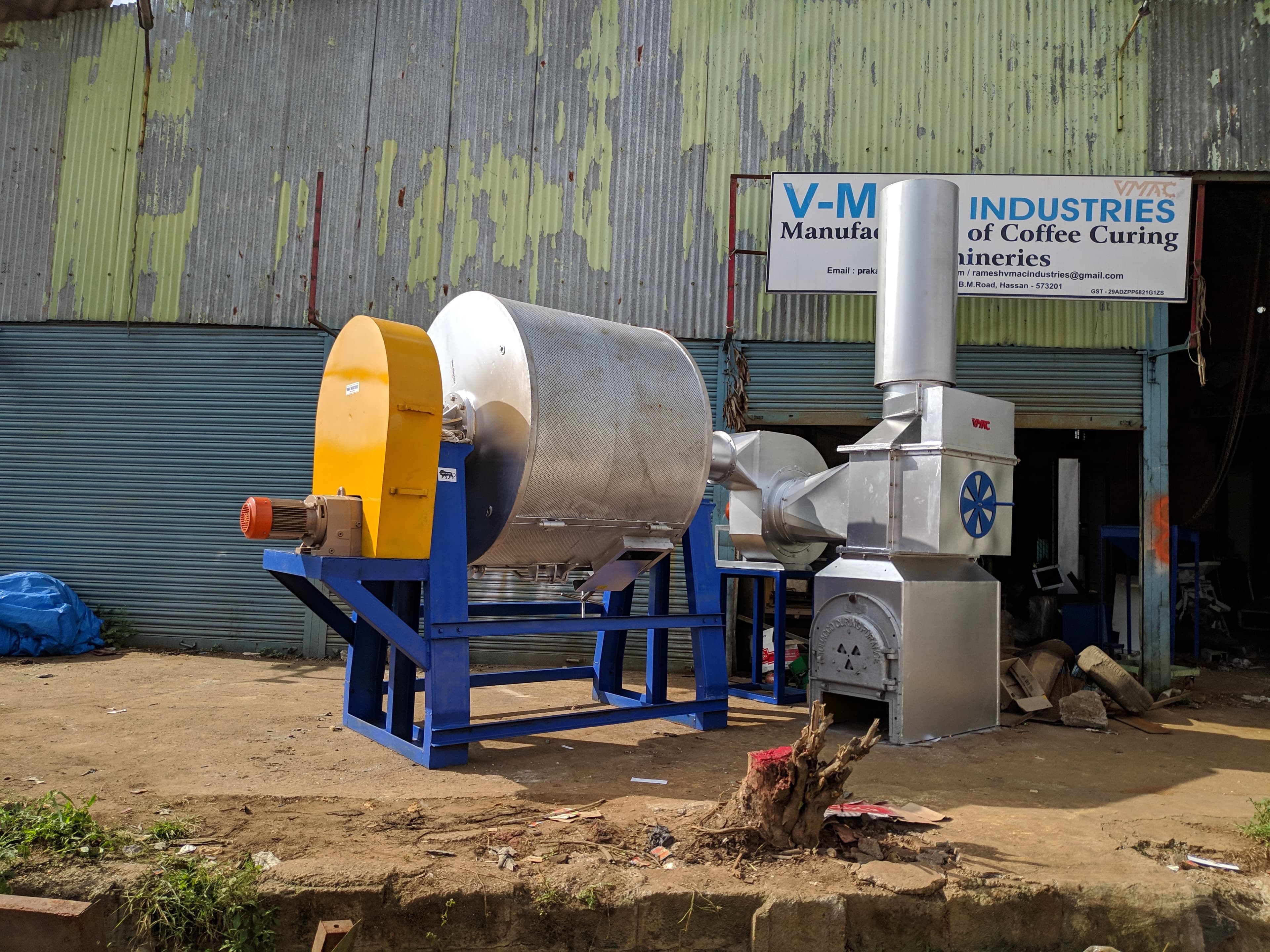
Coffee Dryer
Rotary drum dryer for parchment coffee, cherry coffee, and pepper. Reduces moisture from 50–55% post-pulping down to 10–12% for safe storage — weather-independent and significantly faster than sun drying.
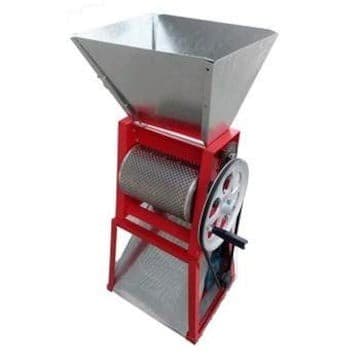
Coffee Pulper
Removes the fruit skin and outer mucilage from ripe coffee cherries to expose the parchment-covered bean — the critical first step in washed and honey processing that determines cup quality from the very beginning.
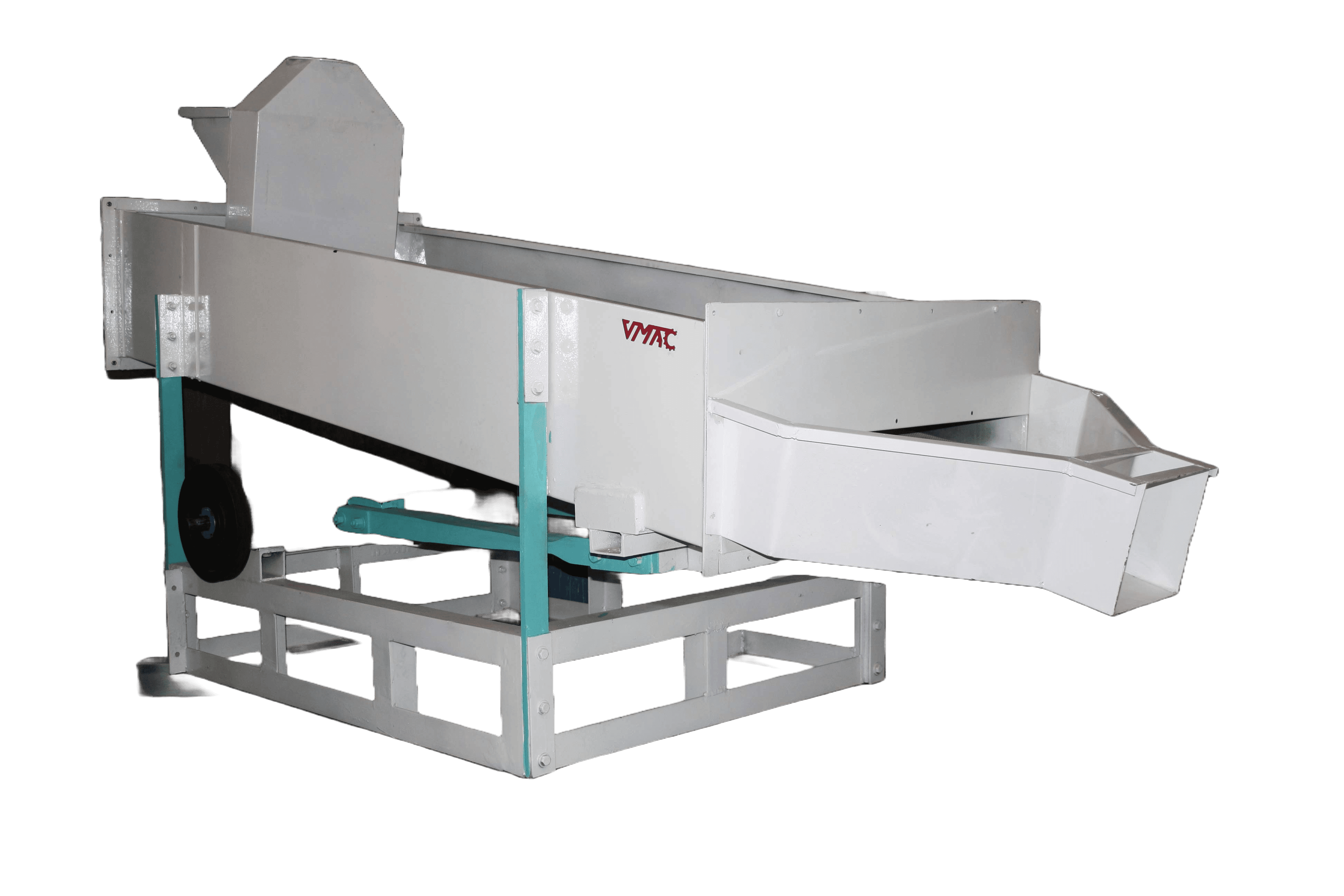
Coffee Pre-Cleaner
Vibratory scalping screen with air aspiration — removes sticks, leaves, large stones, soil clods, and light chaff from coffee cherry or parchment at intake, protecting every downstream machine in the processing line.