
VMAC Industries
·2026-04-16
Wet vs Dry Processing: Equipment Requirements Compared
Most conversations about wet vs dry coffee processing focus on flavor. That matters, but if you are the one building or upgrading the facility, the first question is different: what equipment does each method actually require, and what does that mean for capital outlay, water infrastructure, and operational complexity?
This article breaks down the machinery for each processing path, identifies what is shared between them, and gives you the engineering data to make a grounded decision.
The Core Distinction: Three Extra Machines
The equipment difference between wet and dry processing is simpler than most people expect. Dry (natural) processing has no unique machines. Cherries go from receiving directly to drying, then through the shared dry mill line. Wet (washed) processing adds three machines before drying: a pulper, a demucilager (or fermentation tanks), and a washer. Everything after drying is the same for both methods.
That three-machine gap is the primary driver of the cost and infrastructure differences between the two approaches.
Wet Mill Equipment: The Three Extra Machines
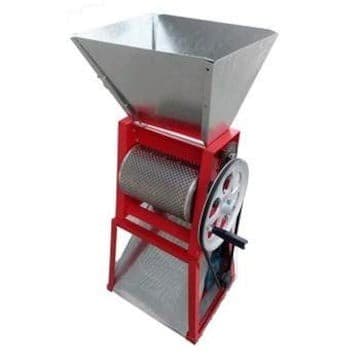
Coffee Pulper
The pulper strips the outer skin and fruit flesh from the cherry immediately after harvest, exposing the parchment-covered bean with its mucilage layer intact.
Key specifications:
- Throughput: 100 to 15,000 kg/hr depending on model
- Power: 0.75 to 15 HP
- Water consumption: 2 to 10 L/kg of cherry (recirculating systems bring this down to 2-4 L/kg)
- Gap adjustment: 0.5 to 8 mm, adjustable to match cherry size and variety
Gap setting is critical. Too tight and you damage the parchment, causing cracked beans that will show up as defects after hulling. Too wide and you leave fruit attached, which leads to fermentation problems downstream. Most operations adjust the gap at least once per harvest as cherry size changes through the season.
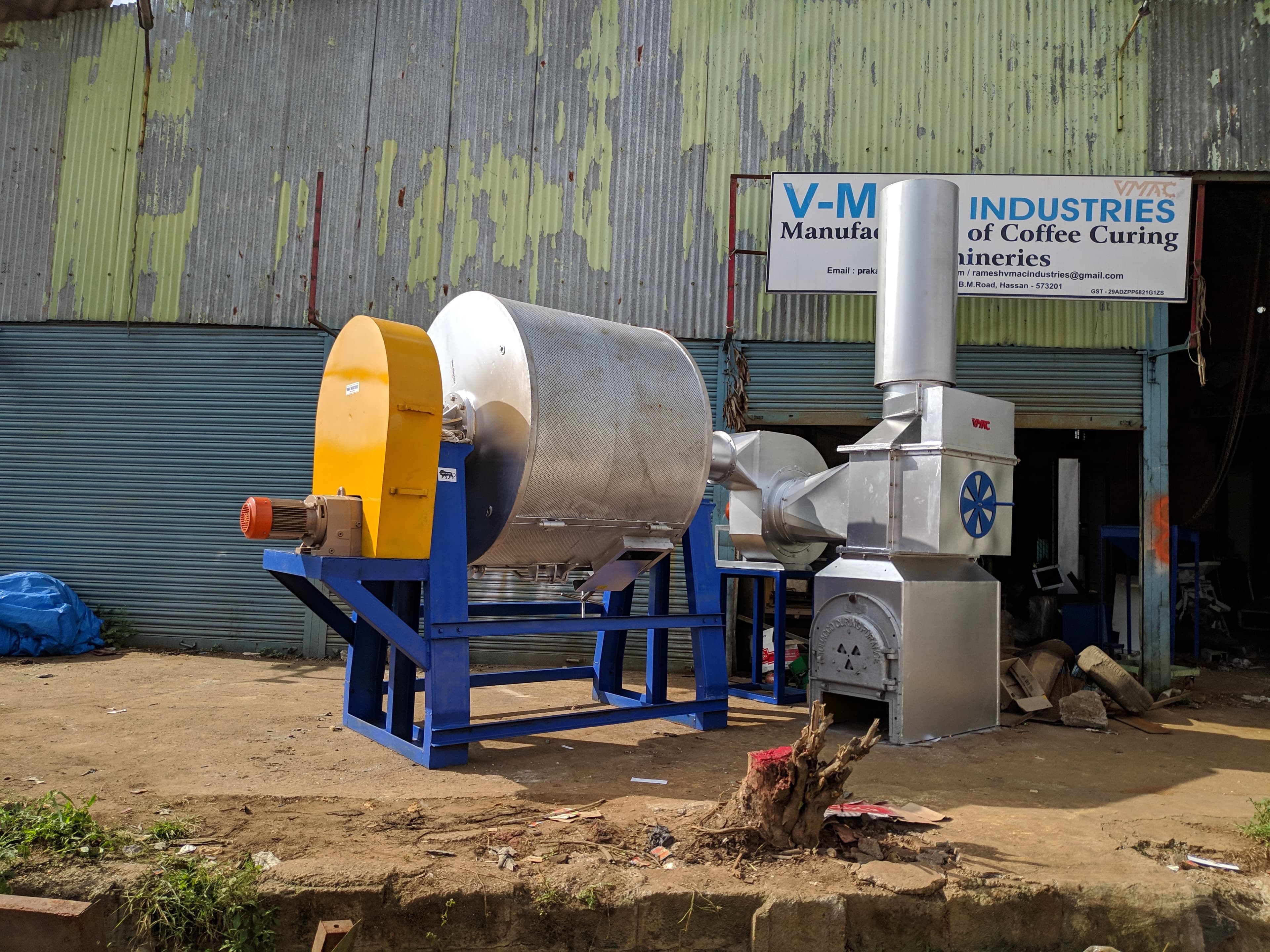
Demucilager
After pulping, the bean is still coated in mucilage, a sticky sugar-rich layer that must be removed before drying. Traditional fermentation tanks handle this in 12 to 72 hours, but a mechanical demucilager does the same job in 3 to 8 minutes.
Key specifications:
- Throughput: 100 to 2,000 kg/hr
- Power: 1.5 to 10 HP
- Processing time: 3 to 8 minutes
- Water consumption: 4 to 8 L/kg
- Water savings vs fermentation: 80 to 90%
The demucilager eliminates the fermentation step entirely, which removes over-fermentation risk and the stinker defects that come with it. The tradeoff: fermentation contributes complexity to the cup. A demucilaged coffee tends toward a cleaner, more neutral profile. Some producers use partial demucilaging, removing 50 to 80% of mucilage mechanically and fermenting the rest, to split the difference.
Coffee Washer
The washer removes any remaining mucilage after fermentation or demucilaging, and simultaneously density-grades the parchment coffee using a series of weirs in a water channel.
Key specifications:
- Throughput: 300 to 5,000 kg/hr
- Channel length: 5 to 30 m
- Water consumption: 5 to 30 L/kg
Heavier, denser beans sink and exit through the first weirs; lighter, lower-quality beans float further down the channel. This gives you a rough quality separation before drying even begins, which is operationally useful for separating grade A parchment from lower grades without additional equipment.
Wet Mill Equipment
Dry Processing: No Unique Machines
Dry processing skips pulping, demucilaging, and washing entirely. Whole cherries are cleaned (usually a simple float tank or sieve to remove debris and underripes), then sent directly to drying. There are no machines unique to the dry method.
This is the fundamental cost advantage of natural processing: three fewer machines to purchase, maintain, and operate. No pulper bearings to replace. No demucilager water system. No washing channel to build. The capital savings are significant, and the operational simplicity is real.
But that simplicity shifts complexity elsewhere, primarily to drying and hulling.
Shared Equipment: Identical for Both Methods
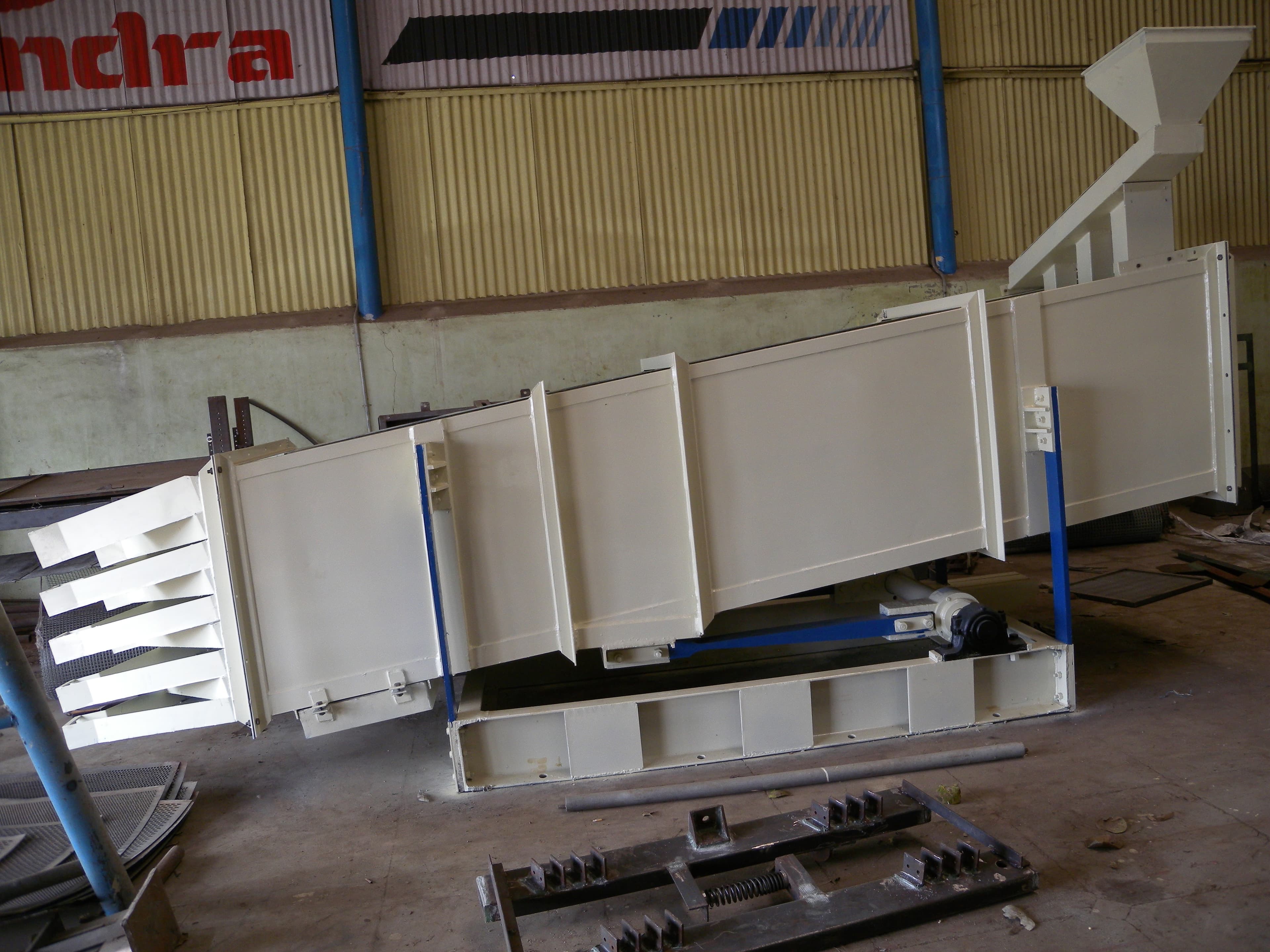
Everything from drying onward is shared between wet and dry processing. Both methods require the same dry mill line: dryer, huller, winnower, peeler, screen grader, gravity separator, colour sorter, and weighing/bagging equipment, plus all the conveyors, elevators, and hoppers that connect them.
However, "shared" does not mean "identical settings." Several machines in the shared line behave differently depending on what you feed them.
Drying: Same Machine, Different Parameters
Both methods use the same mechanical dryers, but the starting conditions and targets differ.
Wet-processed parchment:
- Starting moisture: 50 to 55%
- Target moisture: 11 to 12%
- Drying time: 18 to 36 hours (mechanical)
- Maximum air temperature: 40 to 50 degrees C
Dry-processed cherry:
- Starting moisture: 45 to 50%
- Target moisture: 12 to 13%
- Drying time: 24 to 48 hours (mechanical)
- Maximum air temperature: up to 55 degrees C
Cherry takes longer because the intact fruit layer acts as an insulating barrier, slowing moisture migration from the bean to the surface. You can run higher air temperatures because the fruit layer also buffers the bean from direct heat exposure.
A practical hybrid approach: sun-dry cherries on raised beds to 30 to 35% moisture, then transfer to mechanical dryers for the finish. This saves 40 to 60% of firewood or fuel compared to fully mechanical drying, which is a significant operating cost reduction for operations in fuel-scarce regions.
Hulling: Same Machine, Very Different Workload
This is where the two methods diverge most in shared equipment operation.
Wet-processed (washed) coffee: The huller removes only a thin, dry parchment layer. Standard gap settings work. The machine runs smoothly, produces relatively little chaff, and breakage rates stay low.
Dry-processed (natural) coffee: The huller must strip away the entire dried fruit layer plus the parchment underneath. This requires a wider gap setting, more aggressive friction, and produces a much higher volume of chaff and husk material. The winnower downstream works considerably harder to separate this debris, and the huller itself wears faster.
If you process both wet and dry coffee through the same line, you will adjust huller settings each time you switch. Some facilities dedicate separate hullers to each method to avoid the constant recalibration.
Gravity Separator, Screen Grader, Colour Sorter
These machines operate identically regardless of processing method. Bean density, size distribution, and colour defect profiles differ between washed and natural coffees, but the machines themselves need no modification. You adjust calibration settings, not hardware.
Shared Dry Mill Equipment
Water: The Deciding Factor for Many Operations
Water consumption is often the single factor that determines which processing method is feasible at a given site.
Wet processing total water use: 40 to 100+ L per kg of final green coffee. This includes pulping, fermentation (tank fill and rinse cycles), washing, and cleaning. A facility processing 10,000 kg of green coffee per day needs 400,000 to 1,000,000 litres of water daily.
Dry processing total water use: approximately 1 to 5 L per kg, used only for pre-cleaning (float tanks, initial wash). The same 10,000 kg/day facility needs roughly 10,000 to 50,000 litres.
That is a 20x to 100x difference. In water-scarce regions, this alone rules out traditional wet processing.
Mechanical demucilaging narrows the gap substantially. By eliminating fermentation tanks and reducing wash water, a demucilager-based wet line uses 80 to 90% less water than the fermentation path. That can bring wet processing into reach for operations that could not justify traditional fermentation infrastructure.
Wastewater and Environmental Load
Water use is only half the equation. Wet processing generates wastewater with extremely high organic load.
- Pulping wastewater BOD: 40,000 to 80,000 mg/L
- Washing water BOD: 8,000 to 25,000 mg/L
For reference, domestic sewage has a BOD of roughly 200 to 300 mg/L. Coffee pulping wastewater is 100 to 400 times more concentrated. Discharging it untreated into waterways kills aquatic life and contaminates downstream water supplies.
A wet processing facility needs settling ponds, anaerobic treatment, or constructed wetlands to handle this effluent. That infrastructure adds cost and land requirements that do not appear on the equipment list but are non-negotiable for regulatory compliance in most producing countries.
Dry processing generates minimal wastewater. The primary solid waste is dried cherry husk from hulling, which can be composted or used as fuel in dryer furnaces. Environmentally, it is a far simpler operation to permit and manage.
Cost Comparison
Capital Expenditure
Wet mill line (additional over shared equipment):
- Three extra machines (pulper, demucilager or fermentation tanks, washer)
- Water supply infrastructure (pumps, piping, recirculation systems)
- Wastewater treatment (settling ponds, treatment systems)
- Higher total capital outlay
Dry processing line:
- No extra machines beyond shared equipment
- More drying infrastructure required (larger drying yards for sun drying, or more mechanical dryer capacity, since whole cherry takes longer)
- Lower total capital outlay
Operating Costs
Wet processing carries higher ongoing costs: water, wastewater treatment, power for the three extra machines, and maintenance on more equipment. Dry processing costs are concentrated in drying (fuel, labour for turning beds) and higher huller wear.
Combined Facilities
Many operations process both wet and dry coffee, either because they handle multiple varieties, serve different market segments, or want flexibility to respond to weather conditions that affect drying. VMAC builds combined facilities with split-path capability: a shared receiving and pre-cleaning section feeds either the wet mill line or bypasses directly to drying, then both paths converge at the shared dry mill.
This costs more than a single-method facility but less than building two separate plants. The shared dry mill equipment, material handling, and bagging line serve both paths without duplication.
Flavour Implications of Equipment Choices
Equipment choices have direct flavour consequences that affect your market positioning.
Wet-processed coffee produces a clean, bright cup with pronounced acidity and high consistency batch to batch. This is the baseline expectation for most specialty coffee buyers. The consistency comes from the controlled removal of fruit material before drying, which eliminates most variables related to cherry condition and drying uniformity.
Dry-processed coffee produces a sweeter, fruitier, fuller-bodied cup, but with more batch-to-batch variation. The extended contact between bean and fruit during drying allows sugars and organic acids to migrate into the bean. When executed well, the results are distinctive and command premium prices. When drying is uneven or too slow, you get fermented, vinegary defects.
Demucilager vs fermentation is a separate decision within wet processing. The demucilager produces a very clean cup without fermentation character. Traditional fermentation adds complexity and depth, but carries the risk of over-fermentation if time, temperature, or water quality are not controlled precisely. The equipment choice directly shapes the cup profile.
Making the Decision
The choice between wet and dry processing is not primarily a flavour preference. It is an engineering decision driven by site conditions.
Choose dry processing when: water is scarce or expensive, environmental permitting is restrictive, capital is limited, you grow varieties suited to natural processing (many Robustas, Ethiopian heirlooms), or your target market values natural-process flavour profiles.
Choose wet processing when: water is abundant and affordable, you need high consistency for commercial or specialty markets, your varieties respond well to washing (most washed Arabicas), and you can handle the wastewater infrastructure.
Choose both when: you process multiple varieties, serve diverse markets, or want the flexibility to shift method based on cherry quality and market demand in a given season.
Not sure which processing method suits your operation?
Your choice depends on water availability, cherry variety, target cup profile, and market. VMAC engineers can recommend the right line configuration — wet, dry, or combined — based on your specific conditions.